Fitness guide
Exercise Technique
Principles and cues that help you move well, lift safely, and get more from every exercise.
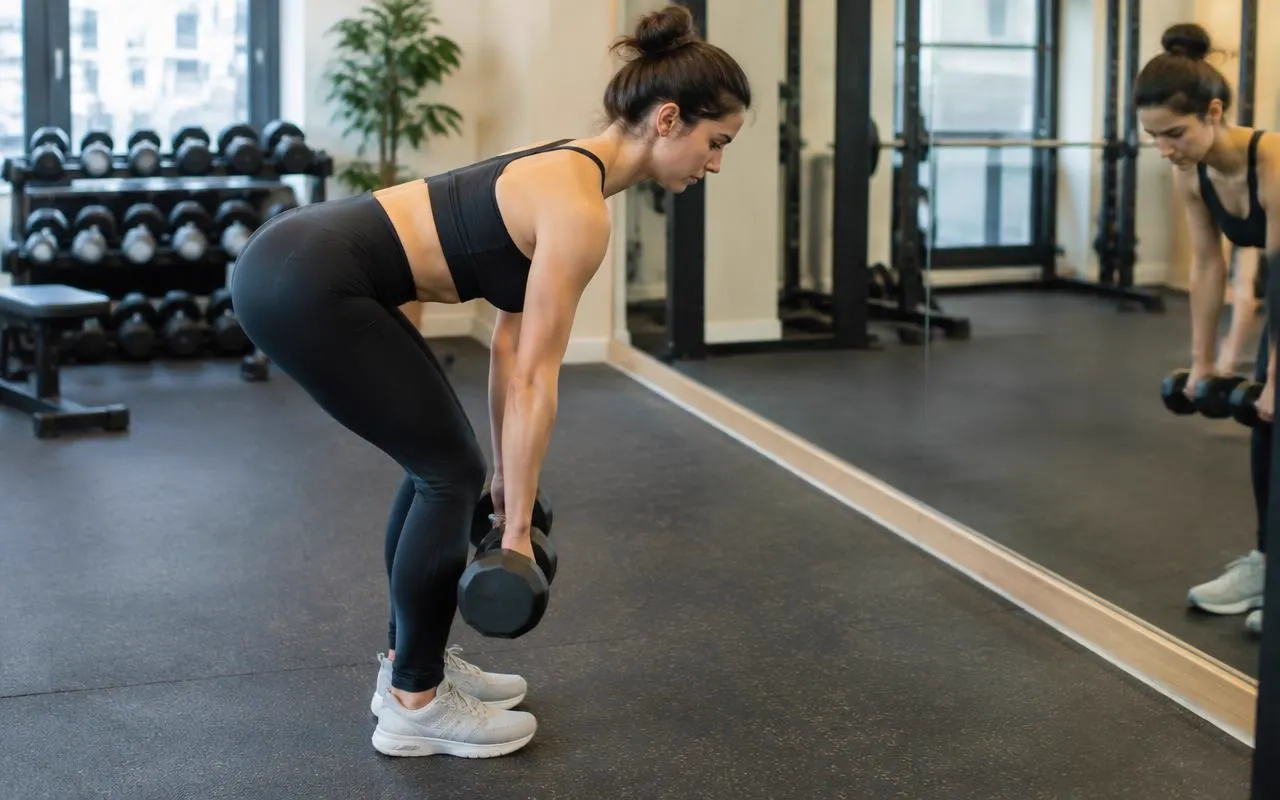
Good technique is less about perfection and more about control. Moving well helps the intended muscles do the work, makes progress measurable, and keeps training comfortable over the long term. This guide outlines universal principles and simple cues for the most important movement patterns.
Core principles
Control the whole repetition
Lower weights deliberately over two to three seconds and avoid bouncing out of the bottom position. A controlled tempo lets you feel where the effort is and correct errors.
Brace and breathe
Before each rep, take a comfortable breath and gently tighten your midsection. Exhale through the hardest part of the movement or after it. Avoid holding your breath for extended periods.
Own your range of motion
Use the range you can control without pain. Range of motion typically improves with practice, mobility work, and strength.
Stable foundations
Feet grounded, grip firm, and posture organized before you begin. A good setup makes the rest of the repetition easier.
Cues for key patterns
Squat
- Feet roughly shoulder-width, toes slightly out.
- Sit down between your hips, keeping your chest proud.
- Knees track in line with toes.
- Push the floor away to stand.
Hinge
- Soft knees, hips move back like closing a car door with your backside.
- Keep the spine long and neutral.
- Weight stays close to your legs.
- Stand by driving the hips forward and squeezing the glutes.
Push
- Hands or dumbbells roughly in line with the mid-chest for horizontal presses.
- Elbows at about a 45-degree angle from the body.
- Ribs down; avoid excessive arching.
Pull
- Start the movement by drawing shoulder blades back and down.
- Lead with the elbows rather than the hands.
- Return slowly without letting shoulders shrug forward.
How to learn new exercises
Practice new movements with bodyweight or light loads first. Film a set from the side to compare against reliable demonstrations. Change one cue at a time — too many corrections at once are hard to apply. If an exercise consistently causes discomfort, substitute a variation that trains the same pattern; for example, a box squat instead of a free squat.
Consider a session with a qualified coach if you are learning complex lifts like barbell squats or kettlebell swings. Our articles below cover technique in more depth.
General educational information only — not medical advice. See our Fitness Disclaimer.
Recommended articles
- Strength Training Fundamentals for Beginners
- Common Workout Mistakes and How to Avoid Them
- Home Workouts Without Expensive Equipment
- Mobility Exercises for Everyday Movement
Related programs
Other guides
Questions about a program?
Send us a note and we will point you toward resources that fit your experience and goals.