Beginner Fitness
Accessible workout guidance for people beginning or returning to regular exercise.
- Level
- Beginner
- Equipment
- Sturdy chair, wall; light dumbbells optional
Practical exercise routines designed for home environments with minimal equipment.
You do not need a gym to train effectively. This program uses bodyweight exercises, a chair, and an optional resistance band to build strength, endurance, and confidence at home. Sessions take roughly 25–35 minutes and are organized as circuits, so you move from one exercise to the next with short rests.
Circuits are time-efficient and keep your heart rate moderately elevated, giving you both strength and conditioning benefits in one session. Every exercise includes an easier and a harder option so you can adjust to how you feel on the day.
Designed for people who prefer training at home, travel often, or have limited time. Beginners should start with the easier variations and two rounds per circuit; more experienced exercisers can use the harder variations and three to four rounds.
Equipment: Mat, sturdy chair; resistance band optional
Squats, reverse lunges, glute bridges, and step-ups to a sturdy chair.
Incline and floor push-ups, chair dips, and band rows.
Dead bugs, planks, and side planks for trunk control.
Marching or jogging in place, step jacks, and mountain climbers.
This sample week is a template, not a prescription. Move days around to suit your schedule while keeping rest between harder sessions.
| Day | Focus | Details |
|---|---|---|
| Monday | Circuit A | Lower body and core emphasis, 25–35 minutes. |
| Tuesday | Walk | 20–30 minute walk outdoors or around the neighborhood. |
| Wednesday | Circuit B | Upper body and conditioning emphasis. |
| Thursday | Mobility | 10–15 minutes of gentle stretching. |
| Friday | Circuit A | Repeat Circuit A; try one extra round or harder variation. |
| Saturday | Active choice | Bike ride, hike, dance, or play. |
| Sunday | Rest | Rest and recover. |
Clear a space about the size of a yoga mat plus arm’s length. Then spend 5–7 minutes on:
Complete each exercise in sequence with about 15–20 seconds of rest between moves. After the last exercise, rest 90 seconds and repeat for 2–4 rounds. Circuit A uses exercises 1–4 and 7; Circuit B uses exercises 5–8.
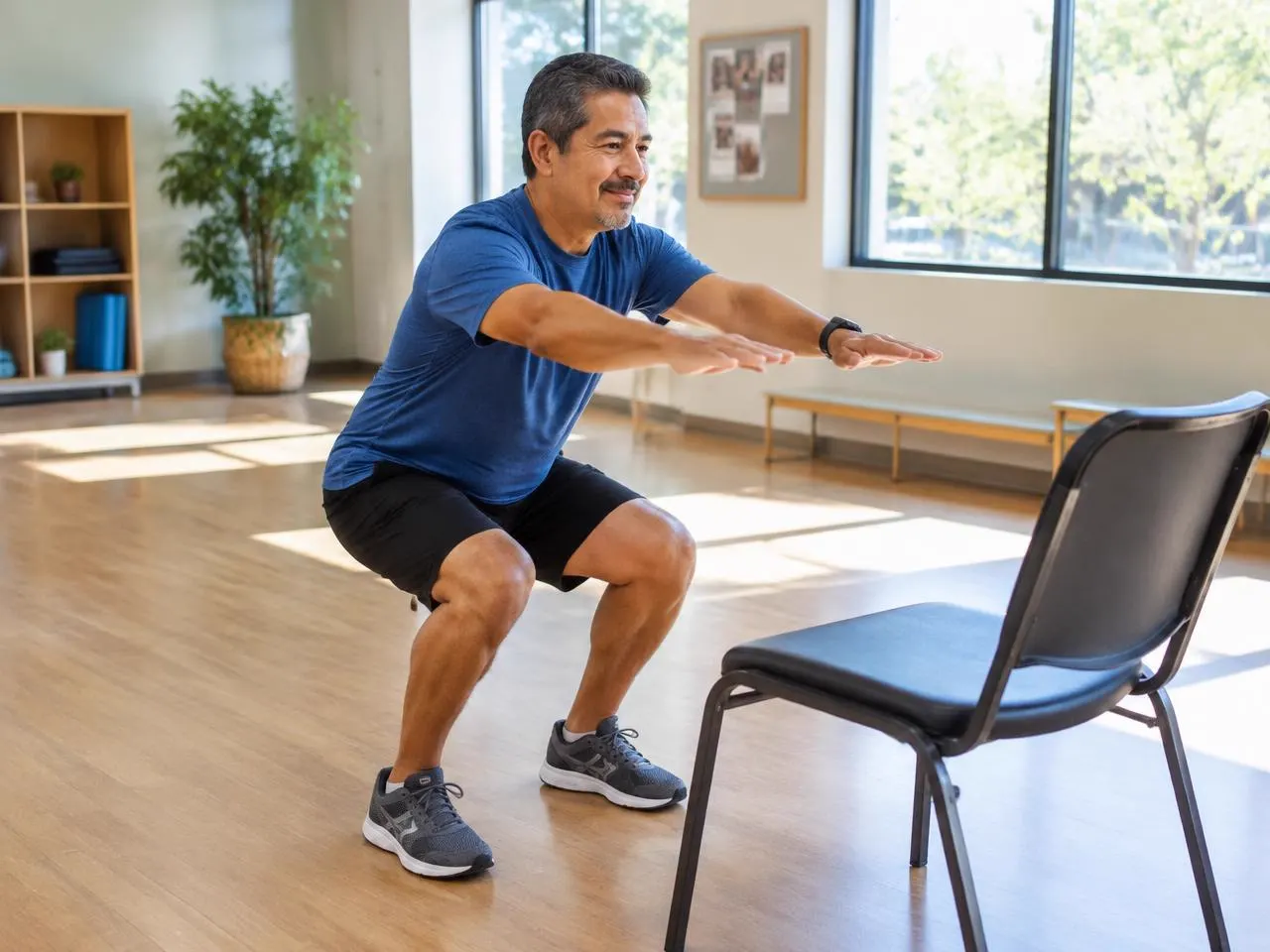
Feet shoulder-width apart, sit back and down as if to a chair. Easier: squat to a chair seat. Harder: pause for two seconds at the bottom.
Step one foot back and lower until both knees bend comfortably, then return. Hold a wall or chair for balance if needed.
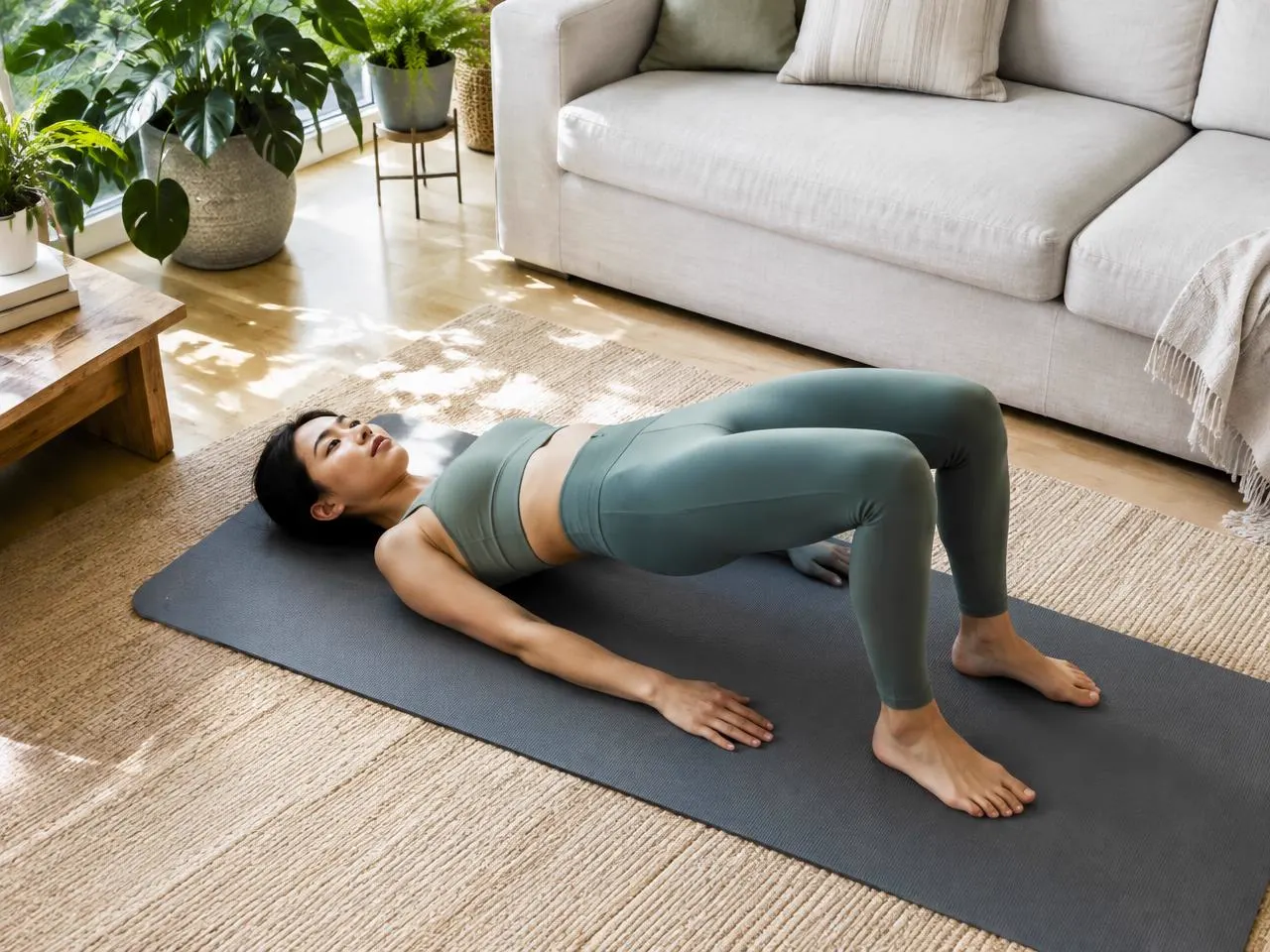
Lie on your back, knees bent. Press through your heels to lift hips until your body forms a line from shoulders to knees. Harder: single-leg bridge.
Lie on your back with arms up and knees bent at 90 degrees. Slowly extend opposite arm and leg while keeping your lower back gently pressed to the floor.
Hands on a sturdy counter or chair, body straight. Lower your chest toward your hands and press back. Harder: push-ups on the floor.
Anchor a band at chest height and pull handles toward your ribs, squeezing your shoulder blades. Without a band, perform isometric towel pulls for 20 seconds.
Low-impact step jacks keep joints comfortable; progress to jumping jacks or brisk jogging in place if appropriate.
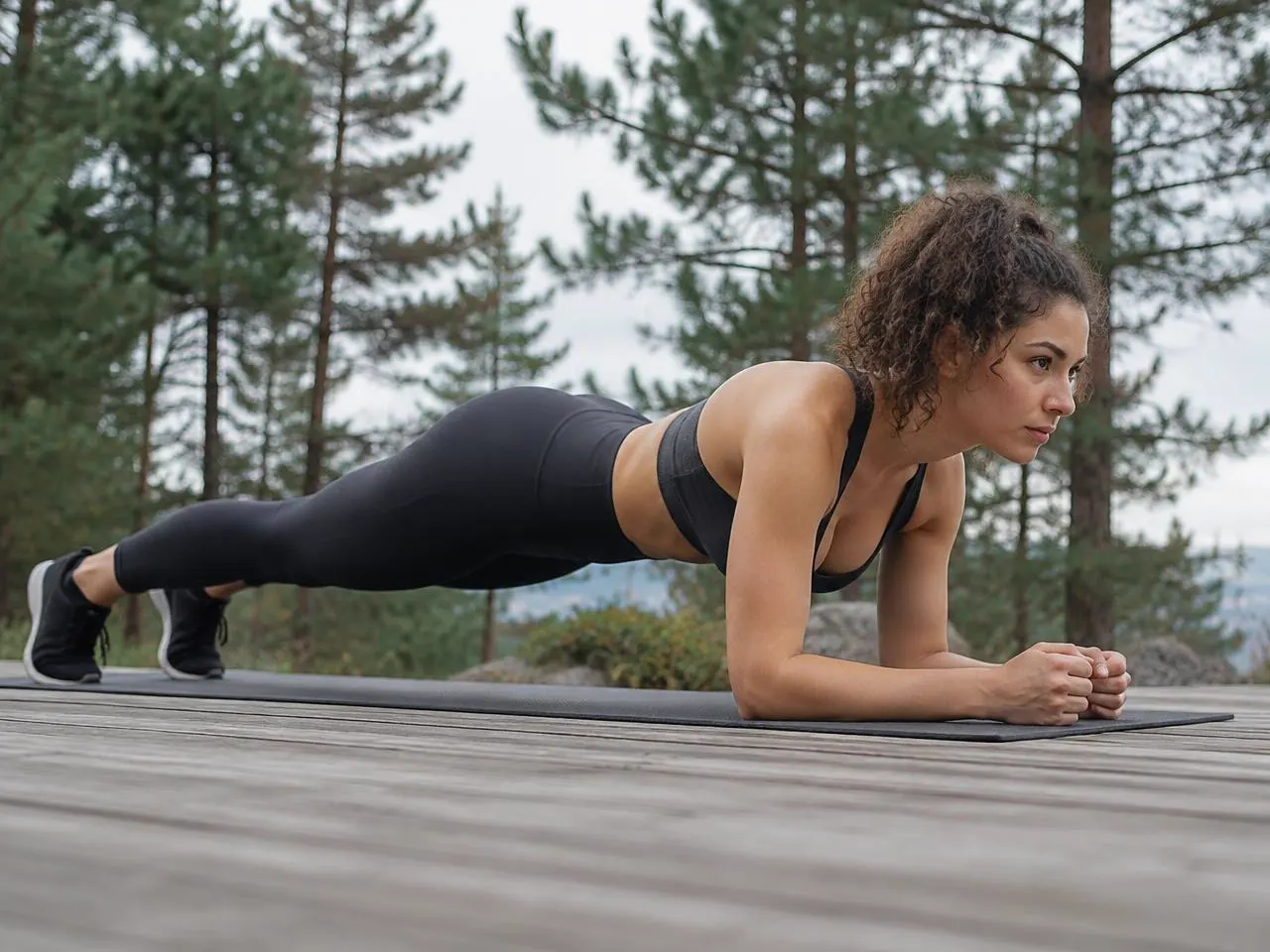
Support yourself on one forearm with knees bent (easier) or legs straight (harder). Keep hips lifted in line with shoulders.
Space circuit days with walking or mobility in between. If you feel unusually tired or sore, reduce to two rounds or swap a circuit for an easy walk. Short sessions are still valuable — a 15-minute version on a busy day keeps the habit intact.
Progress one variable at a time, every one to two weeks:
Speed is not the goal in strength exercises. Control each rep, especially the lowering phase.
Use a mat or rug with grip, and wear supportive shoes for standing movements if your floor is slick.
Without progression, your body adapts and results plateau. Increase challenge gradually.
Daily high-intensity circuits can leave you fatigued. Mix in walking and mobility days.
Make sure chairs and surfaces are stable and will not slide. Keep the area clear of toys, pets, and furniture edges. Choose low-impact options if you have joint concerns, live in an upstairs apartment, or are returning to exercise. Stop any movement that causes sharp pain.
This program offers general educational guidance and is not individualized medical or exercise advice. If you have a health condition, injury, are pregnant, or are unsure whether exercise is appropriate for you, consult a qualified healthcare professional first. Stop exercising and seek help if you feel chest pain, dizziness, or unusual shortness of breath. See our Fitness Disclaimer.
Yes. By progressing exercise difficulty — for example moving from incline to floor push-ups — bodyweight training can build meaningful strength, particularly for beginners and intermediates.
A good mat and a set of resistance bands are inexpensive and versatile. Adjustable dumbbells are a useful next step if you want to keep progressing.
Twenty to thirty-five minutes is enough for most people following this plan. Shorter sessions done consistently are better than long sessions done rarely.
Light activity daily is great, but give harder circuits at least a day between them so your body can recover.
Keep exploring
Accessible workout guidance for people beginning or returning to regular exercise.
Exercises focused on trunk strength, stability, and controlled movement.
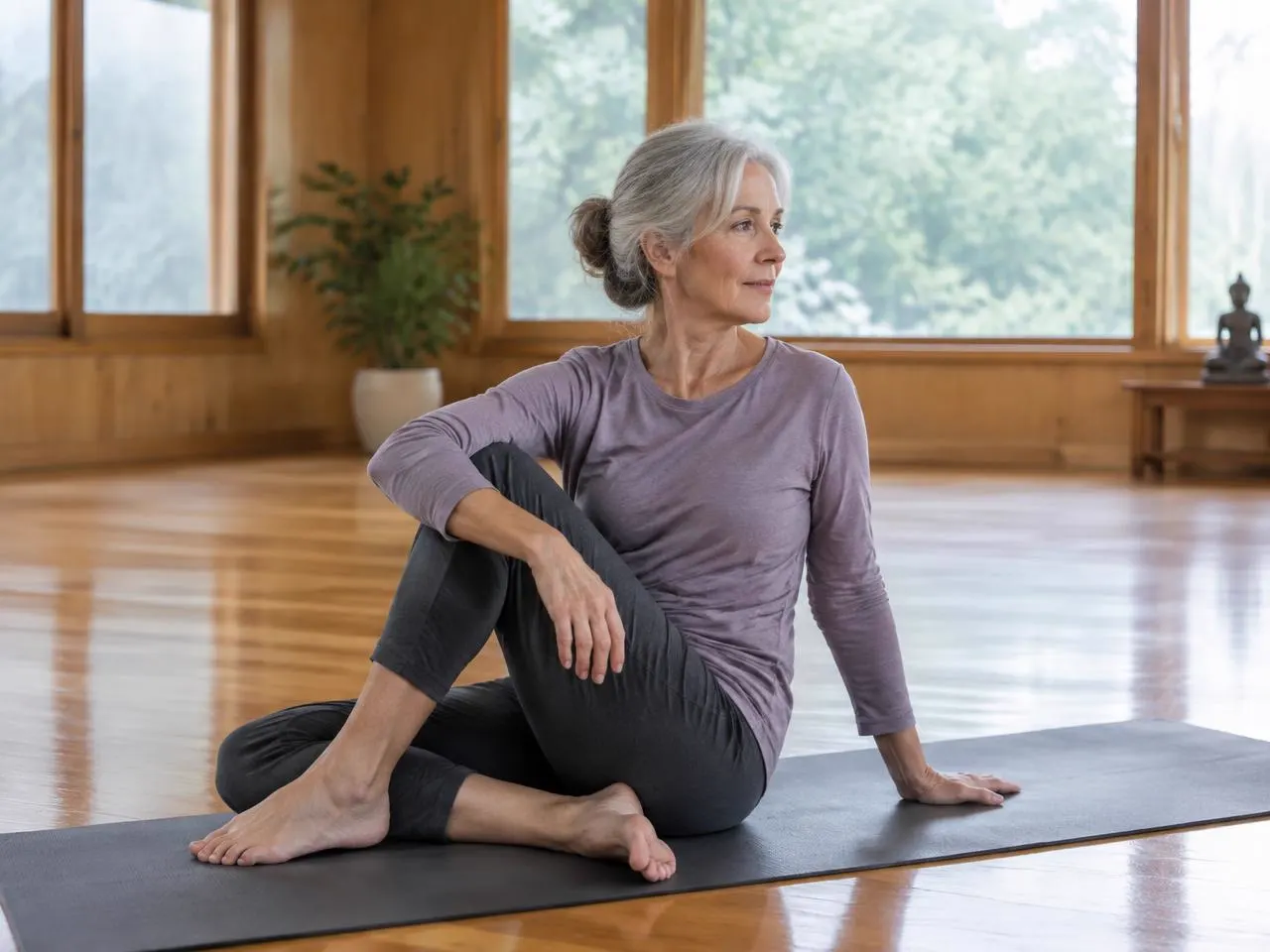
Movement routines focused on joint mobility, flexibility, and comfortable everyday movement.
Send us a note and we will point you toward resources that fit your experience and goals.
We use strictly necessary cookies to run this website. With your permission, we may also use optional preference, analytics, or marketing cookies. No optional tools are currently installed, and none will load unless you opt in. Read our Cookie Policy.
Choose which optional cookies you allow. You can change these settings any time from the “Cookie Preferences” link in the footer.