Recovery & Movement
Low-intensity movement guidance supporting rest days and balanced training schedules.
- Level
- All levels
- Equipment
- Mat; foam roller optional
Movement routines focused on joint mobility, flexibility, and comfortable everyday movement.
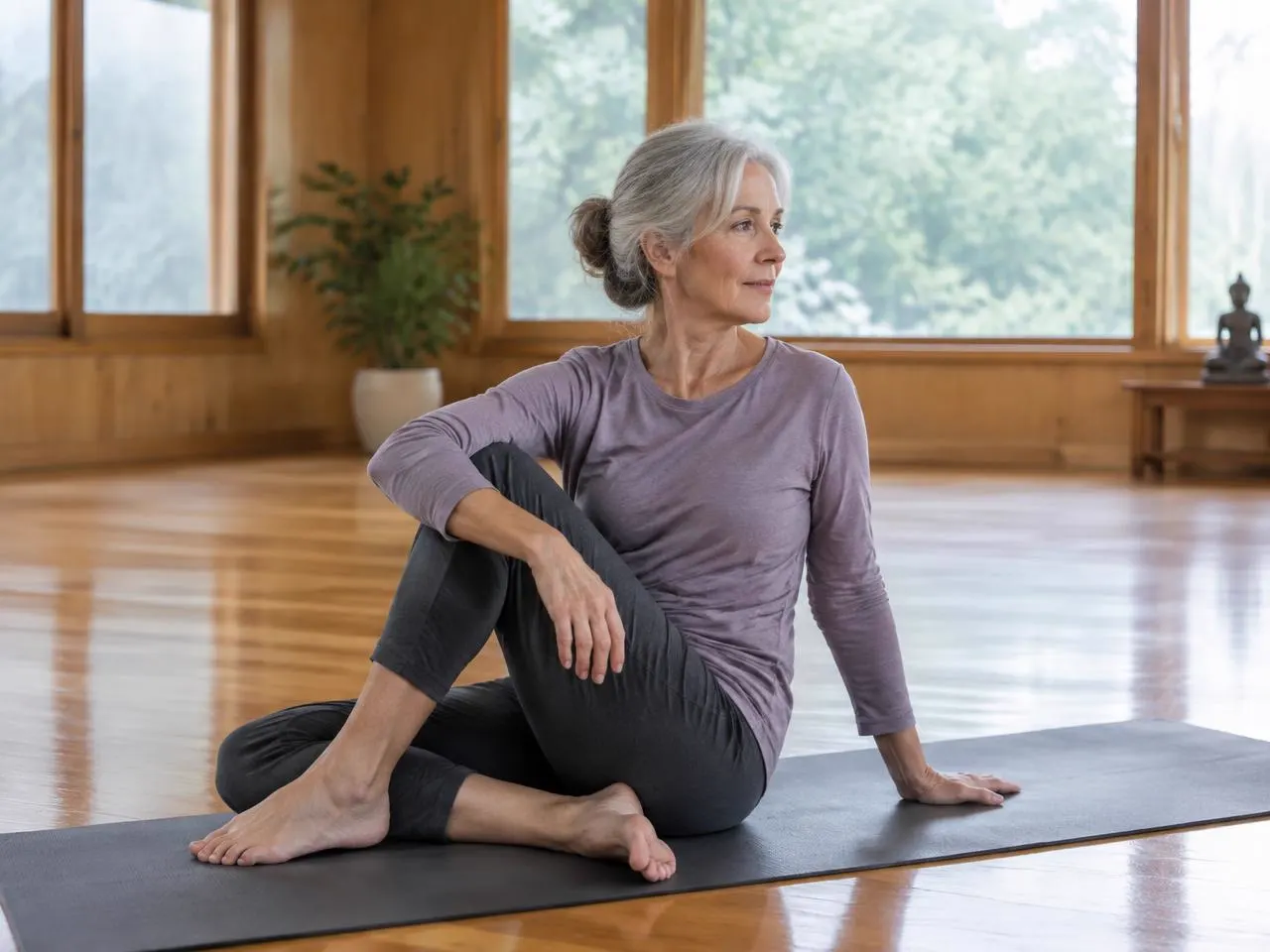
Mobility is the ability to move a joint actively through its available range with control; flexibility describes how far a muscle can lengthen. Both contribute to comfortable everyday movement — reaching overhead, getting down to the floor, turning to look behind you.
This program combines active mobility drills with gentle static stretches in short, frequent sessions. Consistency matters more than intensity: 10–15 minutes most days is generally more effective than one long session per week.
Suitable for all levels, including people who sit for long periods, active exercisers wanting a complement to training, and older adults seeking to maintain comfortable movement. Move within a pain-free range.
Equipment: Mat; strap or towel optional
90/90 transitions, hip flexor stretches, and deep squat holds.
Cat-cow, thoracic rotations, and seated twists.
Wall slides, band dislocates, and doorway stretches.
Knee-to-wall drills and calf stretches.
This sample week is a template, not a prescription. Move days around to suit your schedule while keeping rest between harder sessions.
| Day | Focus | Details |
|---|---|---|
| Monday | Flow A — hips & spine | 15 minutes. |
| Tuesday | Flow B — shoulders & ankles | 15 minutes. |
| Wednesday | Flow A | 15 minutes. |
| Thursday | Rest or short walk | Optional 5-minute desk mobility. |
| Friday | Flow B | 15 minutes. |
| Saturday | Full flow | Combine A and B, 25–30 minutes. |
| Sunday | Rest | Gentle walk if desired. |
Mobility work goes best when tissues are warm. Walk or march for 3 minutes, then perform 10 slow arm circles and 10 hip circles in each direction. Mobility flows can also be done right after a workout or walk.
Move slowly and breathe through your nose where comfortable. For dynamic drills, perform controlled repetitions; for static stretches, hold for 30–45 seconds while relaxing into the position. Flow A uses exercises 1–4; Flow B uses exercises 5–8.
On hands and knees, alternate rounding your spine upward and gently arching it, moving one segment at a time.
Sit with both knees bent at 90 degrees to one side. Rotate the knees to the other side, using your hands for support as needed.
Kneel on one knee, tuck your pelvis slightly, and shift forward until you feel a stretch at the front of the hip.
Lie on your side with knees bent, arms together. Open the top arm across your body, following it with your eyes, then return.
Back and forearms against a wall, slide the arms upward while keeping contact, then lower slowly.
Place forearms on a door frame and step through gently until you feel a stretch across the chest.
Facing a wall in a split stance, drive the front knee toward the wall without lifting the heel.
Hold a door frame or post and sink into a deep squat, keeping heels down if possible. Breathe and shift gently side to side.
Mobility sessions are low intensity and can be done most days. If an area feels irritated, reduce the range and hold time. Mobility work pairs well with rest days from other training.
Pushing aggressively into stretches can trigger protective tension. Ease in gradually.
Ballistic bouncing is unnecessary for most people. Use slow, controlled movement.
Mobility responds to frequency. Short regular sessions work better than occasional long ones.
Slow breathing helps your body relax into positions.
You should feel mild stretching tension, never sharp, pinching, or radiating pain. If you have joint replacements, hypermobility, osteoporosis, or recent injuries, ask a qualified professional which ranges are appropriate for you.
This program offers general educational guidance and is not individualized medical or exercise advice. If you have a health condition, injury, are pregnant, or are unsure whether exercise is appropriate for you, consult a qualified healthcare professional first. Stop exercising and seek help if you feel chest pain, dizziness, or unusual shortness of breath. See our Fitness Disclaimer.
Dynamic mobility suits warm-ups; longer static stretches are often preferred after workouts or as a separate session.
Many people notice positions feel easier within a few weeks of regular practice, though this varies.
It is a valuable component, but combining it with strength and aerobic activity provides broader benefits.
Several drills, such as seated twists and wall slides, can be adapted for short work breaks.
Keep exploring

Low-intensity movement guidance supporting rest days and balanced training schedules.
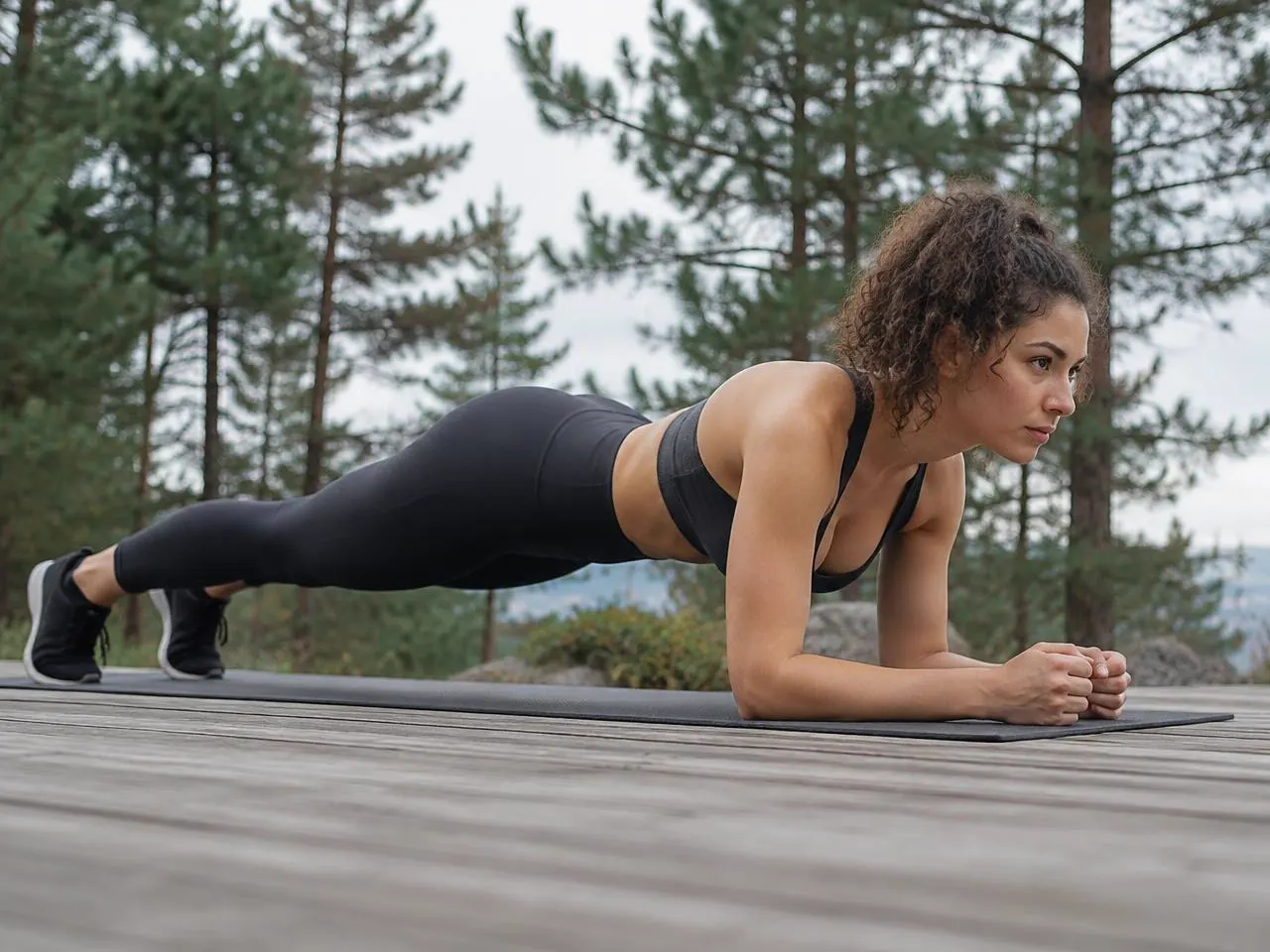
Exercises focused on trunk strength, stability, and controlled movement.
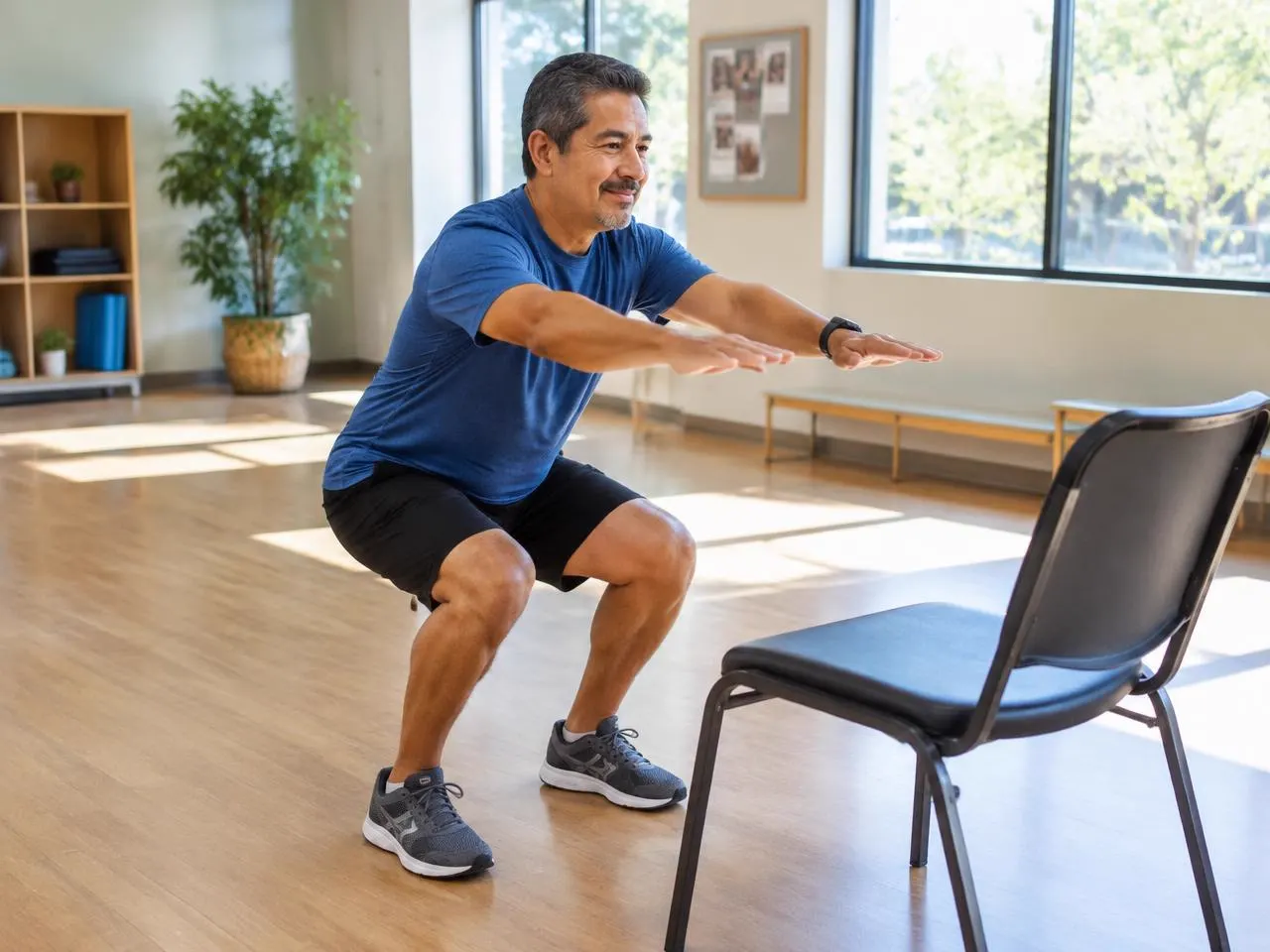
Accessible workout guidance for people beginning or returning to regular exercise.
Send us a note and we will point you toward resources that fit your experience and goals.
We use strictly necessary cookies to run this website. With your permission, we may also use optional preference, analytics, or marketing cookies. No optional tools are currently installed, and none will load unless you opt in. Read our Cookie Policy.
Choose which optional cookies you allow. You can change these settings any time from the “Cookie Preferences” link in the footer.