Functional Fitness
Training focused on practical movement patterns, coordination, and general physical conditioning.
- Level
- Intermediate
- Equipment
- Kettlebell or dumbbells, resistance band
Structured resistance-training guidance focused on developing strength, improving movement technique, and supporting progressive training.
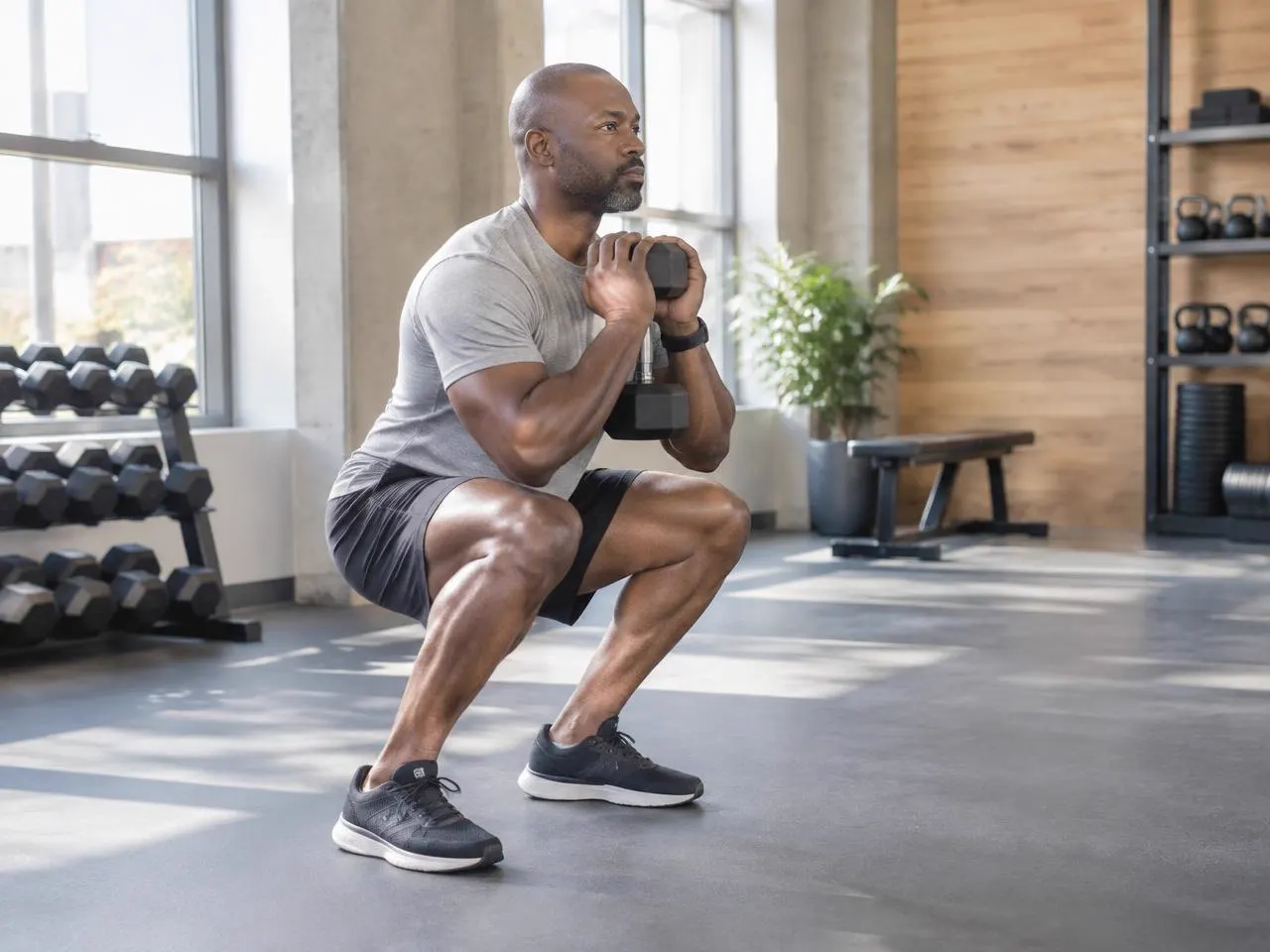
This program teaches you to train the body’s main movement patterns — squatting, hinging, pushing, pulling, and carrying — across three full-body sessions per week. Rather than isolating individual muscles, each session works the whole body, which is an efficient approach for people who want to get stronger without spending hours in the gym.
The emphasis is on technique first, load second. You will start with weights that feel comfortably challenging, record what you lift, and add weight or repetitions gradually. This approach, often called progressive overload, is one of the most widely accepted principles in strength training.
Plan on following the program for at least eight weeks before making major changes. Strength develops steadily, and consistency with the basics usually produces better results than frequently switching plans.
This program suits adults who are comfortable with basic exercise and want a clear structure for resistance training. Complete beginners can use it by choosing the easier exercise options and lighter loads, though our Beginner Fitness program may be a gentler first step. Intermediate lifters can use it as a reliable foundation and push the progression further.
Equipment: Dumbbells or barbell, bench (gym or home)
Goblet squats, box squats, and split squats to strengthen legs and hips.
Romanian deadlifts and hip thrusts for the hamstrings, glutes, and back.
Push-ups, dumbbell bench press, and overhead press for chest, shoulders, and triceps.
Rows and pulldowns to balance pushing and support posture.
Farmer’s carries and planks to train grip, trunk stability, and posture.
This sample week is a template, not a prescription. Move days around to suit your schedule while keeping rest between harder sessions.
| Day | Focus | Details |
|---|---|---|
| Monday | Workout A | Goblet squat, dumbbell bench press, one-arm row, plank. |
| Tuesday | Active recovery | 20–30 minute walk and light mobility. |
| Wednesday | Workout B | Romanian deadlift, overhead press, lat pulldown or band pulldown, farmer’s carry. |
| Thursday | Rest | Full rest or gentle stretching. |
| Friday | Workout A | Repeat Workout A, aiming to match or slightly beat Monday. |
| Saturday | Optional cardio | Easy cycling, hiking, or swimming at conversational pace. |
| Sunday | Rest | Rest. Next week begins with Workout B. |
Spend 8–10 minutes preparing your body before lifting. A good warm-up raises body temperature and rehearses the movements you are about to load.
Perform the exercises in order. Rest 90–120 seconds between sets of the main lifts and about 60 seconds between accessory sets. Choose a weight that lets you finish every set with roughly two repetitions “in reserve” — you could do two more with good form, but you stop. Alternate Workout A and Workout B each session.
Hold a dumbbell at chest height, feet about shoulder-width apart. Sit down between your hips while keeping your chest tall and knees tracking over your toes, then stand by pushing the floor away.
Lie on a bench with dumbbells over your chest. Lower them with control until your elbows are slightly below the bench, then press up. Keep shoulder blades gently squeezed together. Substitute push-ups if no bench is available.
Support one hand and knee on a bench, back flat. Pull the dumbbell toward your hip, pause briefly, and lower slowly. Avoid twisting the torso.
Holding dumbbells or a barbell, soften the knees and push your hips back while the weight slides down your thighs. Stop when you feel a strong hamstring stretch with a neutral spine, then drive the hips forward to stand.
Start with dumbbells at shoulder height. Brace your midsection and press straight overhead without leaning back, then lower under control.
Pull the bar or band toward your upper chest by driving the elbows down. Keep the torso steady and return slowly.
Hold a heavy dumbbell in each hand and walk tall with short, controlled steps. Keep shoulders down and ribs stacked over the hips.
Forearms on the floor, body in a straight line from head to heels. Squeeze glutes and breathe steadily. Stop the set when your hips sag.
Leave at least one day between strength sessions so muscles and connective tissue can recover. Mild muscle soreness 24–48 hours after training is common, especially in the first few weeks; sharp or joint pain is not and should be taken seriously.
Prioritize sleep, eat regular balanced meals with adequate protein, and use rest days for walking or light mobility. Every 6–8 weeks, consider a lighter “deload” week where you reduce weights by roughly a third.
Use a simple “double progression” method:
Jumping loads before technique is consistent often leads to poor form and stalled progress. Earn each increase.
Cold, rushed starts make first sets feel worse and leave you less prepared for heavier work.
Without notes it is hard to know when to progress. Record weights, sets, and reps each session.
Programs heavy in pressing can leave the upper back underworked. Keep pushing and pulling roughly balanced.
Regularly grinding to failure increases fatigue. Leaving a rep or two in reserve is sustainable for most people.
Use a range of motion you can control without pain. Brace your midsection before each repetition and breathe steadily — avoid holding your breath for long periods. Use safety pins or a spotter for barbell bench pressing and squatting. If you have high blood pressure, joint problems, or other health concerns, speak with a healthcare professional before starting a strength program.
This program offers general educational guidance and is not individualized medical or exercise advice. If you have a health condition, injury, are pregnant, or are unsure whether exercise is appropriate for you, consult a qualified healthcare professional first. Stop exercising and seek help if you feel chest pain, dizziness, or unusual shortness of breath. See our Fitness Disclaimer.
Choose a weight that allows you to complete the target reps with good technique while feeling that you could do about two more. That level is challenging enough to stimulate progress without excessive fatigue.
Yes, with a pair of adjustable dumbbells and a sturdy bench or step. Replace pulldowns with resistance band pulldowns and bench press with floor press or push-ups.
Easy cardio on non-lifting days supports general fitness and recovery. See our guide on combining strength training and cardio for ideas.
Many people notice exercises feeling easier and weights increasing within the first few weeks as coordination improves. Visible changes vary widely between individuals and depend on many factors.
Keep exploring
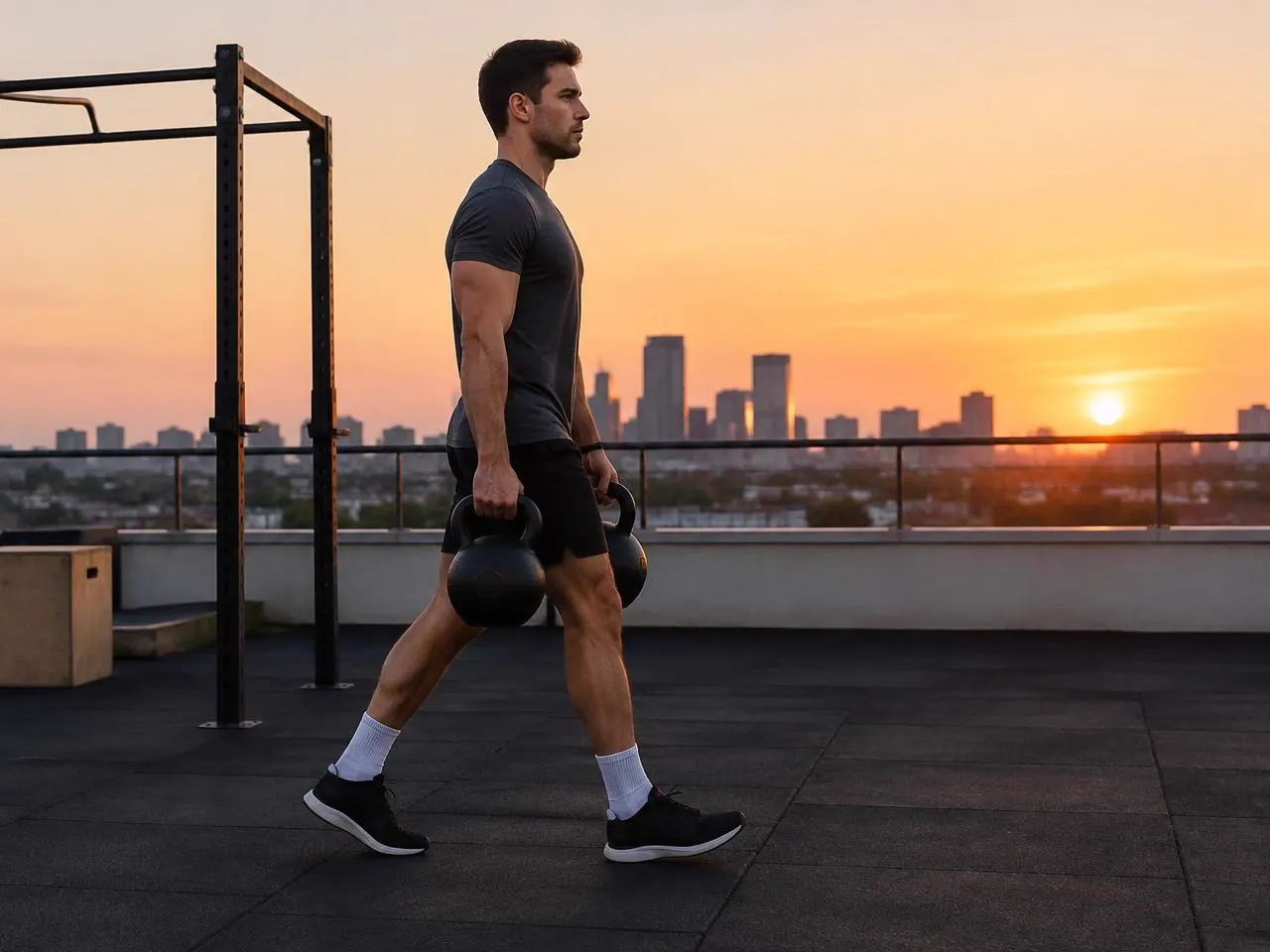
Training focused on practical movement patterns, coordination, and general physical conditioning.
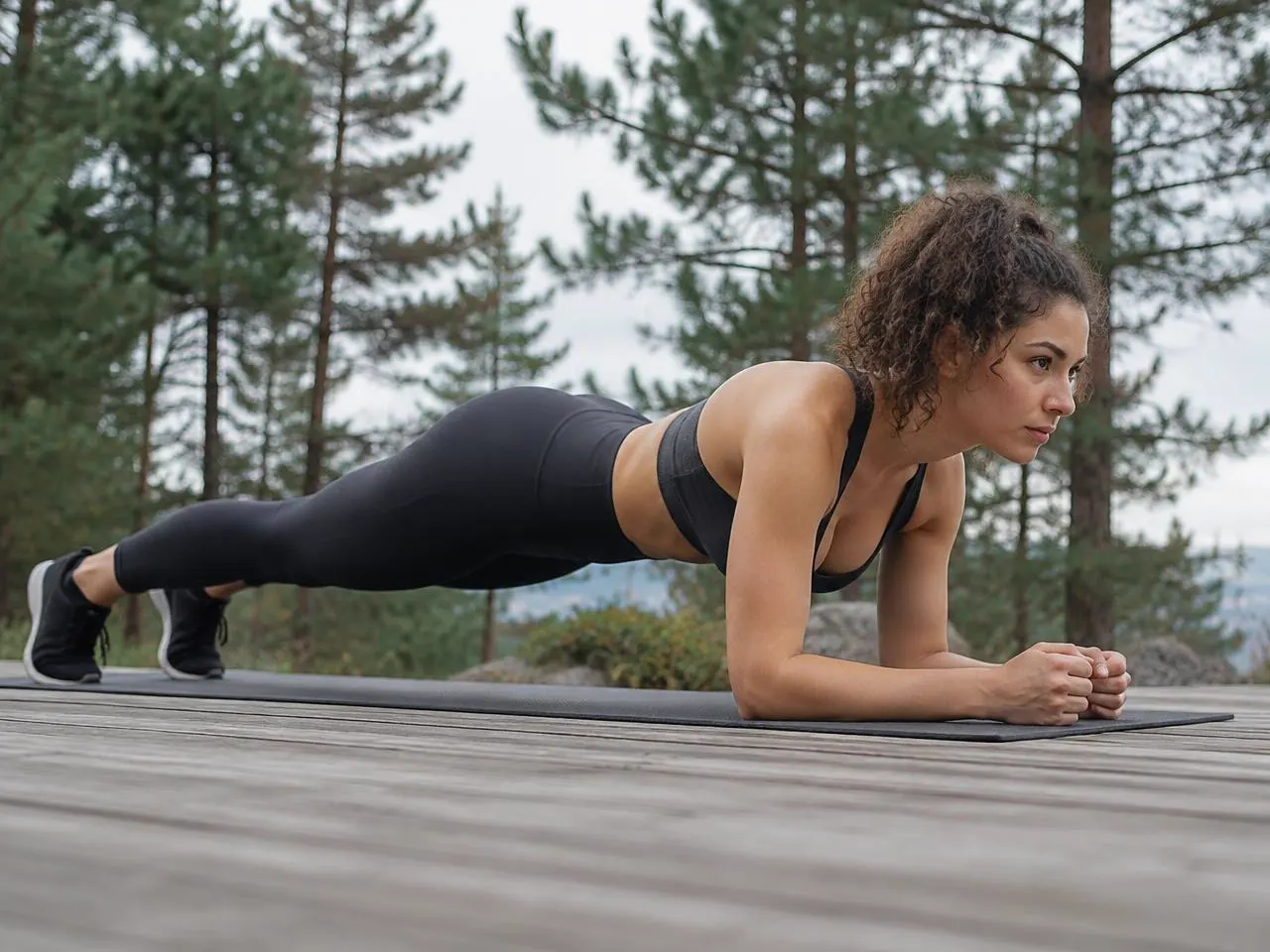
Exercises focused on trunk strength, stability, and controlled movement.

Low-intensity movement guidance supporting rest days and balanced training schedules.
Send us a note and we will point you toward resources that fit your experience and goals.
We use strictly necessary cookies to run this website. With your permission, we may also use optional preference, analytics, or marketing cookies. No optional tools are currently installed, and none will load unless you opt in. Read our Cookie Policy.
Choose which optional cookies you allow. You can change these settings any time from the “Cookie Preferences” link in the footer.