Core

Core & Stability Program for Strong, Controlled Movement

Exercises focused on trunk strength, stability, and controlled movement.
  • LevelAll levels
  • EquipmentMat; resistance band optional
  • FormatFree program guide
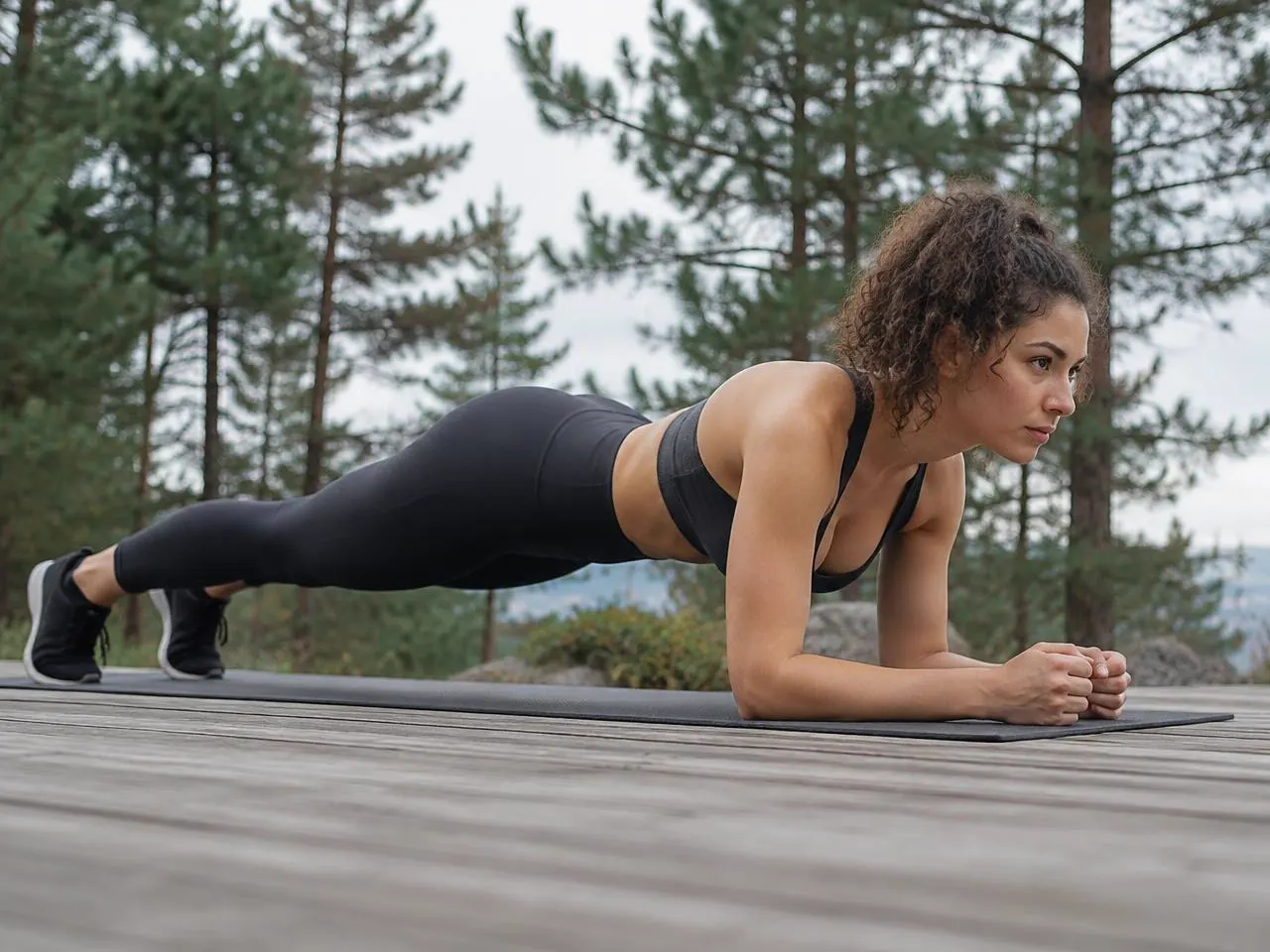
Woman holding a forearm plank on a mat on an outdoor wooden deck surrounded by pine trees

Program overview

Your core includes the abdominal muscles, obliques, lower back, hips, and diaphragm working together. Its main job is to stabilize your trunk and transfer force between upper and lower body — whether you are lifting a box, running, or carrying a child.

Rather than endless crunches, this program trains the core’s ability to resist unwanted motion: anti-extension (planks), anti-rotation (Pallof press), anti-lateral flexion (side planks and carries), and controlled limb movement (dead bugs, bird dogs). Short sessions of 15–20 minutes, three times a week, fit easily around other training.

Intended experience level

Suitable for all levels. Beginners use shorter holds and regressions; experienced exercisers progress to longer levers and added resistance. If you are postpartum or have had abdominal surgery, seek guidance from a qualified professional first.

Training objectives

  • Improve trunk stability in multiple directions
  • Coordinate breathing with bracing
  • Support better posture and lifting mechanics
  • Enhance balance and single-leg control
  • Complement strength and running programs

Equipment & exercise categories

Equipment: Mat; resistance band optional

Anti-extension

Planks, dead bugs, and ab rollouts.

Anti-rotation

Pallof presses and bird dogs.

Lateral stability

Side planks and suitcase carries.

Balance

Single-leg stands and reaches.

Example weekly schedule

This sample week is a template, not a prescription. Move days around to suit your schedule while keeping rest between harder sessions.

DayFocusDetails
MondayCore session A15–20 minutes.
TuesdayOther training or walkPair with your main program.
WednesdayCore session B15–20 minutes.
ThursdayRest or mobilityGentle mobility.
FridayCore session AProgress one exercise.
SaturdayActive choiceWalk, hike, or play.
SundayRestRest.

Warm-up guidance

  • Crocodile breathing: lie face down and take 5 slow breaths into your belly and lower back
  • 8 cat-cow repetitions
  • 8 glute bridges
  • 5 slow bird dogs per side

Main workout structure

Perform 2–3 rounds of the exercises with 30 seconds rest between moves. Session A uses exercises 1, 2, 3, and 6; Session B uses 4, 5, 6, and 7. Focus on breathing steadily while maintaining position.

  1. Dead Bug

    2–3 × 6–8 reps per side

    Lower opposite arm and leg slowly while keeping your lower back in gentle contact with the floor. Exhale as you extend.

  2. Front Plank

    2–3 × 20–45 seconds

    Forearms under shoulders, squeeze glutes, and keep ribs pulled down. Easier: knees on the floor.

  3. Pallof Press

    2–3 × 10 reps per side

    Press a band straight out from your chest and hold for two seconds without rotating.

  4. Bird Dog

    2–3 × 8 reps per side

    Reach opposite arm and leg long, pause for two seconds, return without shifting the hips.

  5. Side Plank

    2–3 × 15–30 seconds per side

    Elbow under shoulder, hips lifted. Easier: bottom knee down.

  6. Glute Bridge Hold

    2–3 × 20–30 seconds

    Hold the top of a bridge, ribs down and glutes engaged.

  7. Single-Leg Balance Reach

    2 × 6 reaches per side

    Standing on one leg, reach the free foot forward, sideways, and back, tapping lightly. Hold support if needed.

Rest and recovery considerations

Core muscles recover relatively quickly, but avoid back-to-back days of hard holds. If your lower back feels strained during an exercise, regress or stop — the target muscles should be working, not your spine compensating.

Progression guidance

  • Add 5–10 seconds to holds each week.
  • Lengthen levers: knee plank to full plank, bent-knee to straight-leg dead bug.
  • Add resistance with a heavier band or light weight.
  • Progress to stir-the-pot or ab wheel rollouts when planks are solid for 60 seconds.

Common training mistakes

Sagging hips in planks

Stop the set when position is lost; quality beats time.

Holding your breath

Learn to brace while breathing — it carries over to lifting and daily tasks.

Only doing crunches

Train stability in all directions for balanced core strength.

Moving too fast

Slow tempo increases control and effectiveness.

Safety considerations

Stop if you feel sharp back pain or notice abdominal doming or bulging, which may indicate the exercise is too advanced. Pregnant and postpartum individuals should seek guidance from a healthcare provider or specialized professional.

This program offers general educational guidance and is not individualized medical or exercise advice. If you have a health condition, injury, are pregnant, or are unsure whether exercise is appropriate for you, consult a qualified healthcare professional first. Stop exercising and seek help if you feel chest pain, dizziness, or unusual shortness of breath. See our Fitness Disclaimer.

Frequently asked questions

Will core training give me visible abs?

Core exercises strengthen muscles, but visibility depends largely on body composition and genetics. This program focuses on function.

How long should I hold a plank?

Hold as long as you can maintain good form, then rest. Several quality holds of 20–45 seconds are generally more useful than one very long hold.

Can core training help with back pain?

Some people find it helpful, but back pain has many causes. Consult a healthcare professional for persistent pain.

Can I add this to another program?

Yes. It is designed to complement strength, running, or home workouts.


Related educational articles

Keep exploring

Related Workout Programs

01Strength

Strength Training

Structured resistance-training guidance focused on developing strength, improving movement technique, and supporting progressive training.

Level
Beginner to Intermediate
Equipment
Dumbbells or barbell, bench (gym or home)
Explore Program
06Mobility

Mobility & Flexibility

Movement routines focused on joint mobility, flexibility, and comfortable everyday movement.

Level
All levels
Equipment
Mat; strap or towel optional
Explore Program
07Functional

Functional Fitness

Training focused on practical movement patterns, coordination, and general physical conditioning.

Level
Intermediate
Equipment
Kettlebell or dumbbells, resistance band
Explore Program

Questions about the Core & Stability program?

Send us a note and we will point you toward resources that fit your experience and goals.