Home Workouts
Practical exercise routines designed for home environments with minimal equipment.
- Level
- Beginner to Intermediate
- Equipment
- Mat, sturdy chair; resistance band optional
Accessible workout guidance for people beginning or returning to regular exercise.
Starting is often the hardest part of fitness. This program removes guesswork by giving you short, approachable sessions built around everyday movements: sitting and standing, stepping, pushing, pulling, and balancing. You will practice each pattern with simple tools — a chair, a wall, and your own body weight.
The program runs in two phases over eight weeks. Weeks 1–4 focus on learning the movements and building the habit with two to three short sessions per week. Weeks 5–8 add a little more volume and introduce optional light dumbbells. Throughout, daily walking provides a base of general activity.
For adults who are new to structured exercise, returning after a long break, or who simply want to rebuild confidence. If you have a chronic health condition, are recovering from an injury or surgery, or are pregnant, check with a healthcare professional before beginning.
Equipment: Sturdy chair, wall; light dumbbells optional
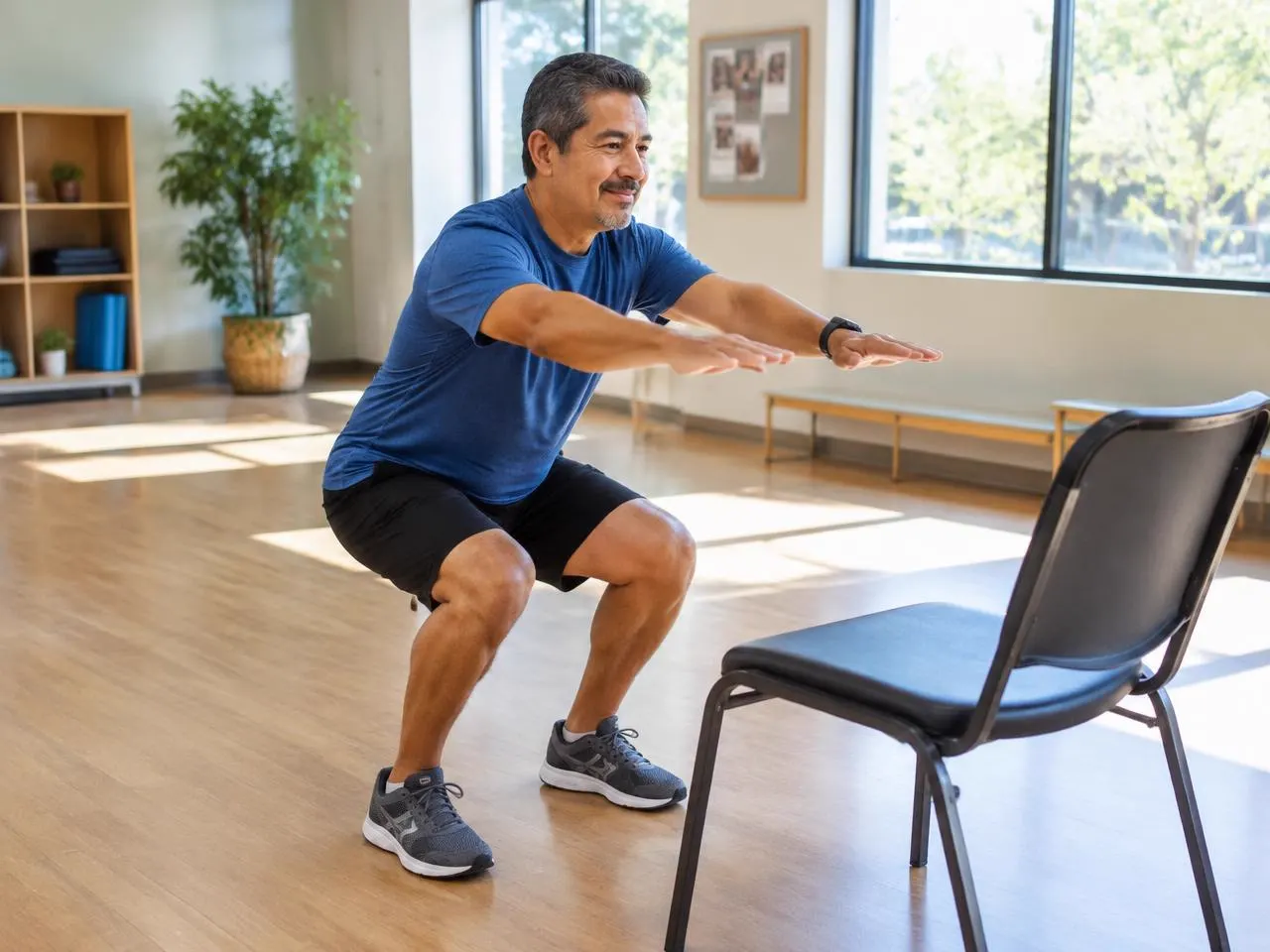
Chair squats build leg strength used every time you stand up.
Wall push-ups strengthen chest, shoulders, and arms.
Band rows and shoulder blade squeezes support upright posture.
Supported single-leg stands and step-ups improve stability.
Easy-pace walking builds aerobic fitness gradually.
This sample week is a template, not a prescription. Move days around to suit your schedule while keeping rest between harder sessions.
| Day | Focus | Details |
|---|---|---|
| Monday | Session 1 | 20–25 minutes: warm-up plus foundation circuit. |
| Tuesday | Walk | 10–20 minutes at a comfortable pace. |
| Wednesday | Rest or gentle stretching | Light mobility for 5–10 minutes if desired. |
| Thursday | Session 2 | Repeat the foundation circuit. |
| Friday | Walk | 10–20 minutes; add a few minutes if it felt easy last time. |
| Saturday | Session 3 (optional) | Include in weeks 3–8 if you feel recovered. |
| Sunday | Rest | Rest and reflect on what went well this week. |
Take 5 minutes to ease in:
Complete the circuit below one exercise at a time, resting as long as you need — usually 30–60 seconds. In weeks 1–2 complete one round; weeks 3–4 two rounds; weeks 5–8 two to three rounds. Use a “talk test”: you should be able to speak in short sentences throughout.
Stand in front of a sturdy chair. Sit down slowly with control, lightly touch the seat, then stand up by pressing through your whole foot. Use your hands on your thighs for help if needed.
Place hands on a wall at shoulder height. Step back slightly, bend your elbows to bring your chest toward the wall, then push away. Step farther from the wall to make it harder.
Using the bottom stair and a handrail, step up with one foot, bring the other up, then step down. Lead with the same leg for all reps before switching.
Pull a light band toward your ribs, or without a band squeeze your shoulder blades together and down for two seconds per rep.
Hold the back of a chair and lift one foot slightly off the floor. Stand tall and breathe. Reduce hand support over time.
Sit tall near the front of a chair and lift one knee a few inches, lower slowly, and alternate. This gently engages the core and hip flexors.
It is normal to feel a little stiff a day or two after your first sessions. Gentle walking usually helps. Aim for consistent sleep, stay hydrated, and keep at least one rest day between strength sessions. If stiffness lasts more than a few days, reduce sets and repeat the previous week.
Move forward only when the current level feels manageable:
After eight weeks, consider moving on to Home Workouts or Strength Training.
Enthusiasm is great, but excessive soreness can derail the habit. Start smaller than you think.
Everyone starts somewhere. Measure progress against your own previous week.
Breathe out during the effort and in as you return. Steady breathing helps you stay relaxed.
Schedule sessions like appointments. Motivation often shows up after you start.
Use stable furniture and keep a wall or counter nearby for balance. Wear supportive shoes. Stop and seek medical attention if you feel chest pain, pressure, faintness, or unusual shortness of breath. Mild muscular effort is expected; joint pain is a signal to modify or stop.
This program offers general educational guidance and is not individualized medical or exercise advice. If you have a health condition, injury, are pregnant, or are unsure whether exercise is appropriate for you, consult a qualified healthcare professional first. Stop exercising and seek help if you feel chest pain, dizziness, or unusual shortness of breath. See our Fitness Disclaimer.
It was designed with you in mind. Begin with one round and short walks. If you have health concerns, talk with your doctor first.
Many people find movements feel smoother within a few weeks of regular practice. Everyone progresses at a different rate.
No. A sturdy chair and a wall are enough. A light resistance band is a helpful, inexpensive addition.
Simply resume at the previous week’s level. Missing sessions is normal; returning is what matters.
Keep exploring
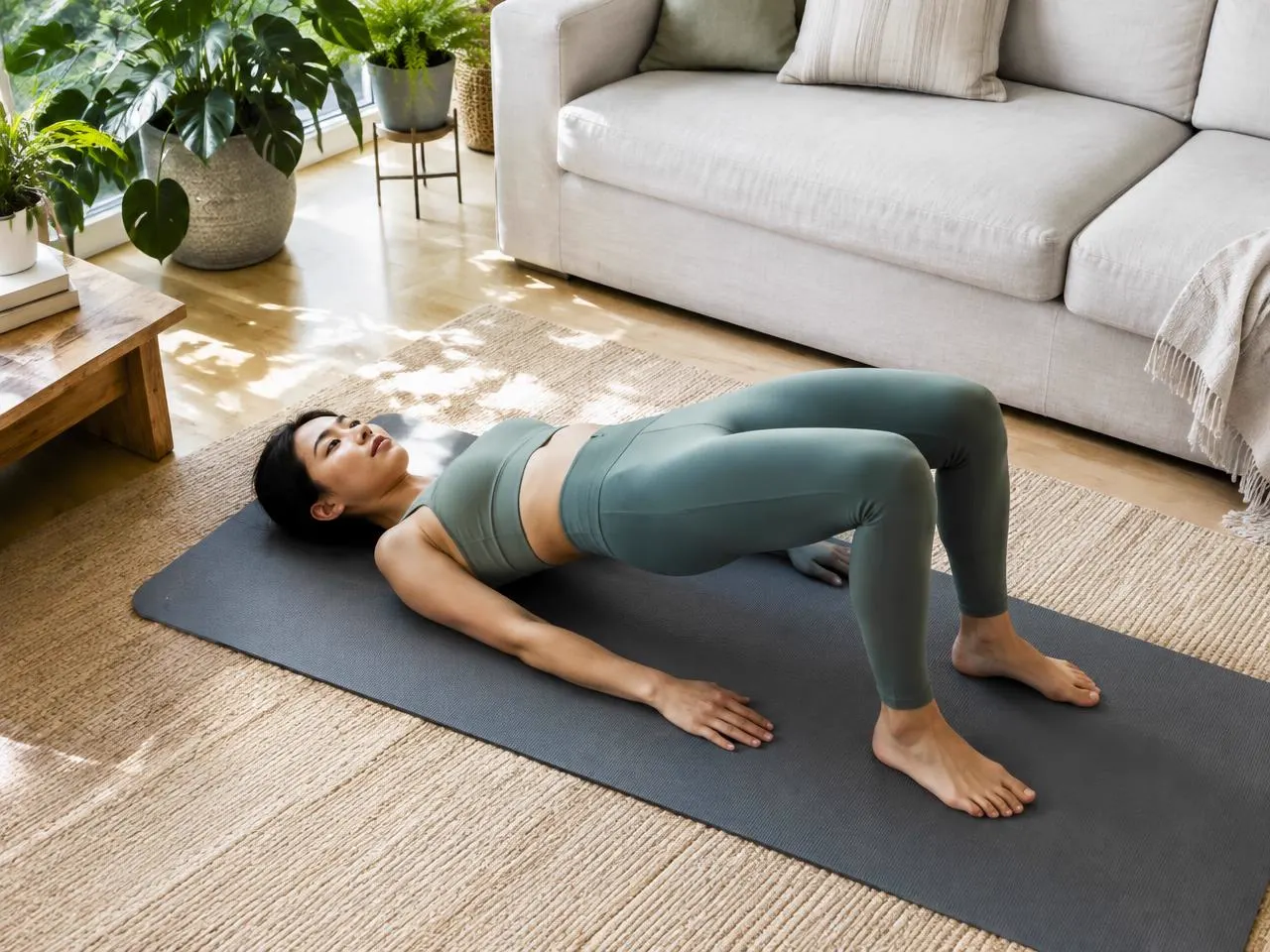
Practical exercise routines designed for home environments with minimal equipment.

Practical fitness routines designed to help people integrate movement into everyday life.
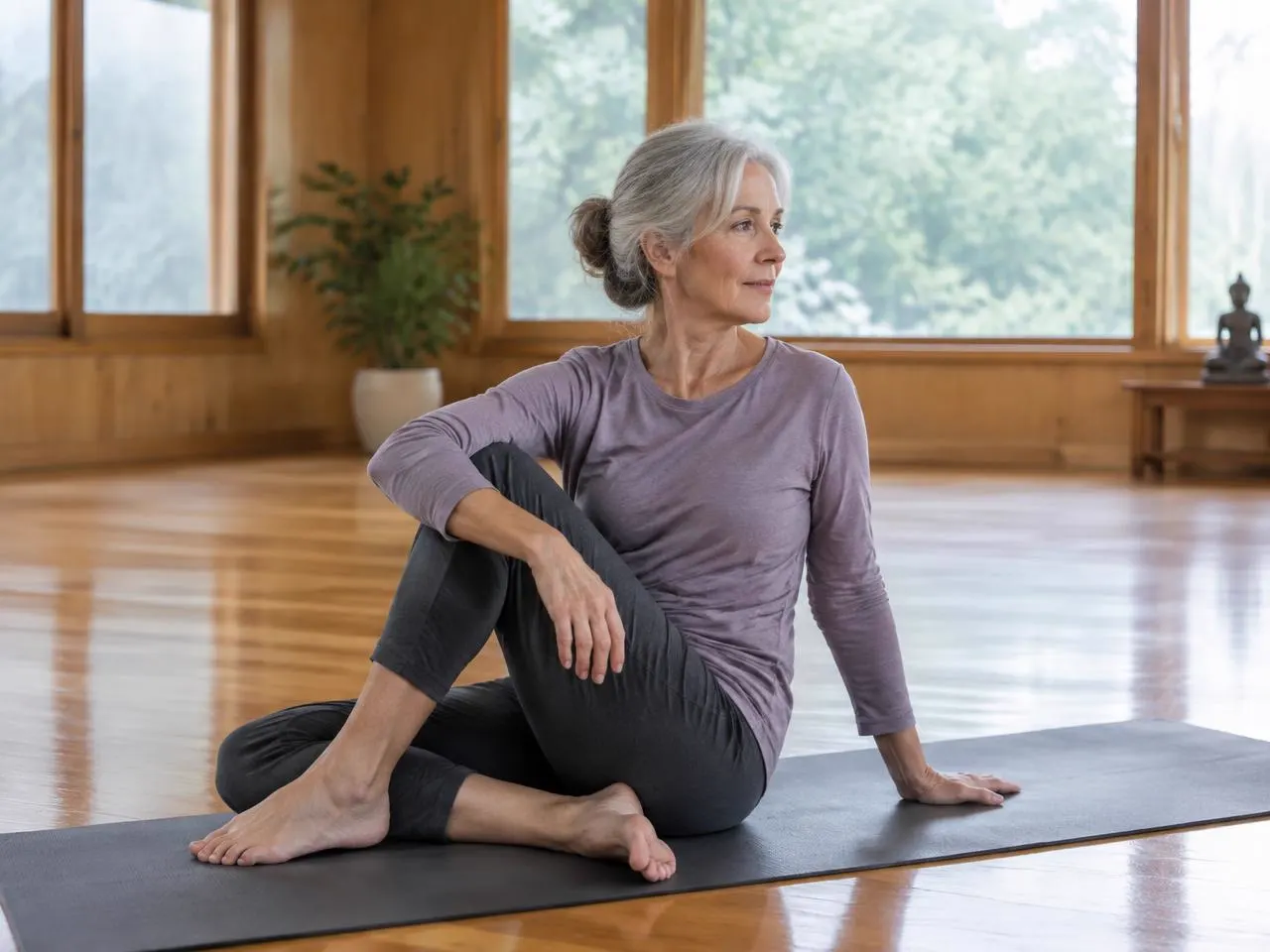
Movement routines focused on joint mobility, flexibility, and comfortable everyday movement.
Send us a note and we will point you toward resources that fit your experience and goals.
We use strictly necessary cookies to run this website. With your permission, we may also use optional preference, analytics, or marketing cookies. No optional tools are currently installed, and none will load unless you opt in. Read our Cookie Policy.
Choose which optional cookies you allow. You can change these settings any time from the “Cookie Preferences” link in the footer.