Mobility Exercises for Everyday Movement

Reaching for a high shelf, tying your shoes, looking over your shoulder while driving — everyday life asks your joints to move through a variety of positions. Mobility exercises help keep those movements comfortable. The best part is that a few minutes per day can make a noticeable difference for many people.
What mobility means
Flexibility refers to how far a muscle can lengthen, often assessed passively. Mobility is broader: the ability to actively move a joint through its range with control. You might be flexible enough to reach a position with help, but mobility means you can get there and control it on your own.
Mobility training therefore combines gentle stretching with active, controlled movement.
Why it matters day to day
Many of us spend long hours sitting, which can leave hips, upper back, and shoulders feeling stiff. Regular mobility work may help you:
- Feel less stiff after periods of sitting.
- Move into positions more comfortably during exercise, such as deeper squats.
- Maintain the ability to get down to and up from the floor.
- Take a calming break that combines movement with relaxed breathing.
A 10-minute daily routine
Move slowly, breathe steadily, and stay within a comfortable range. You should feel gentle tension, not pain.
1. Cat-cow — 1 minute
On hands and knees, alternate between rounding your back toward the ceiling and gently arching it. Move one segment of the spine at a time.
2. Thread the needle — 1 minute per side
From hands and knees, slide one arm under your body, rotating your upper back and resting your shoulder on the floor. Return and reach that arm toward the ceiling.
3. Half-kneeling hip flexor stretch — 45 seconds per side
Kneel on one knee, tuck your pelvis slightly, and shift forward until you feel a stretch at the front of the hip. Reach the same-side arm overhead to increase the stretch.
4. 90/90 hip transitions — 1 minute
Sit with both knees bent to one side at roughly 90 degrees. Rotate your knees to the opposite side, using your hands for support as needed.
5. Wall slides — 1 minute
Stand with your back and forearms against a wall. Slide your arms upward while keeping contact, then lower.
6. Knee-to-wall ankle mobility — 30 seconds per side
In a split stance facing a wall, gently drive your front knee toward the wall without lifting your heel.
7. Supported deep squat — 1 minute
Hold onto a door frame or sturdy post and sink into a comfortable squat. Breathe and shift gently from side to side.
For a full weekly plan, see our Mobility & Flexibility program.
Desk-friendly mobility
If you work at a desk, short movement breaks every 30–60 minutes can help you feel less stiff. Try these:
- Seated spinal twist: sit tall and rotate your torso to each side, holding the chair back for a gentle stretch.
- Neck side bends: slowly tilt your ear toward each shoulder.
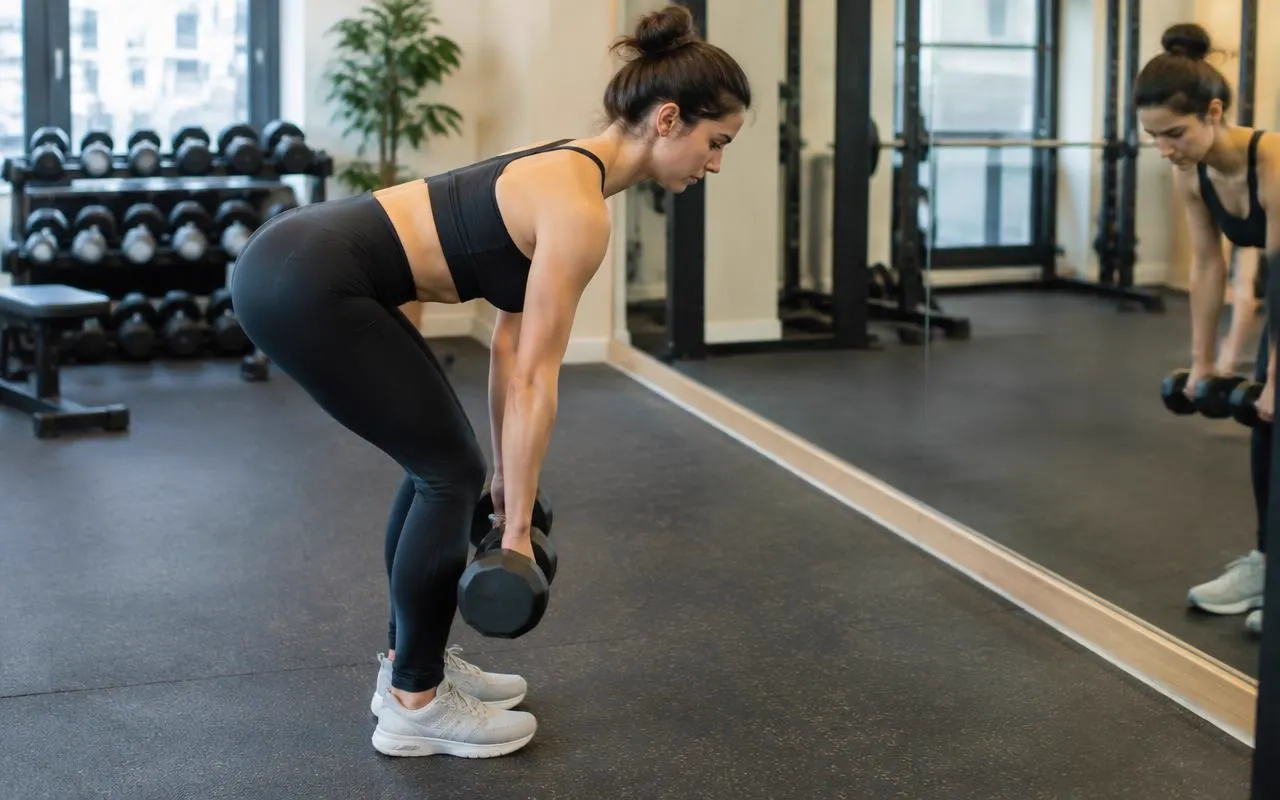
- Standing hip hinge: stand, place hands on hips, and hinge forward with a flat back, then return.
- Shoulder rolls and chest opener: clasp hands behind your back and gently lift.
- Calf raises: rise onto your toes 10–15 times while waiting for a call to start.
Tips for better results
- Frequency beats duration. Short, regular sessions are generally more effective than occasional long ones.
- Warm up first with a short walk or light movement when possible.
- Breathe slowly. Relaxed breathing helps your body ease into positions.
- Do not force range. Gentle, gradual progress is the goal.
- Pair with strength. Strengthening muscles through new ranges helps you control them.
If you experience sharp, pinching, or radiating pain, stop and consult a qualified professional. For more on recovery practices, read Why Recovery Days Matter in Fitness Training.
Fitness disclaimer: This article provides general educational information and is not a substitute for advice from a physician or qualified professional. Consult a healthcare provider before starting a new exercise program, especially if you have a medical condition or injury. Read the full disclaimer.