Healthy Habits

Weight Management Fitness: Sustainable Activity Habits

Exercise-focused programs supporting physical activity and sustainable fitness habits.
  • LevelBeginner to Intermediate
  • EquipmentWalking shoes; dumbbells or bands optional
  • FormatFree program guide
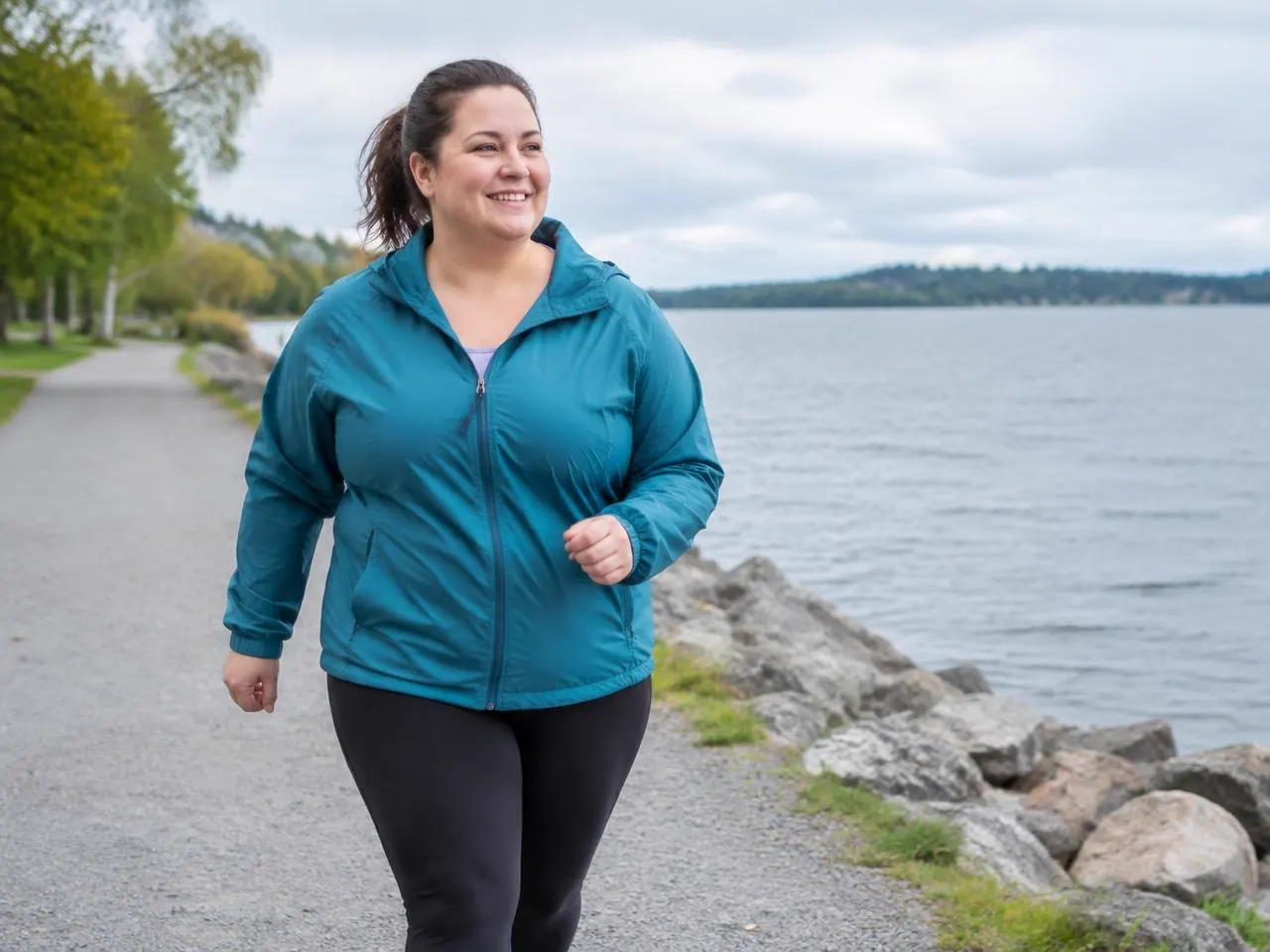
Smiling woman brisk walking on a lakeside path on a cloudy day

Program overview

Body weight is influenced by many factors, including nutrition, sleep, stress, medications, genetics, and overall health. Exercise is one valuable piece of that picture. This program focuses on what you can practice consistently: regular movement, a balance of strength and cardio, and routines that fit comfortably into your life.

We do not promise a specific amount of weight loss. Instead, the goal is to build activity habits associated with general health — such as increased daily steps, improved strength, and better cardiovascular fitness. For personalized guidance on weight or nutrition, speak with a physician or registered dietitian.

Intended experience level

For adults who want an encouraging, realistic exercise structure. Movements are low impact by default, with options to increase intensity. If you have joint concerns or a medical condition, check with your healthcare provider first.

Training objectives

  • Increase everyday movement and step count gradually
  • Balance strength training with moderate cardio
  • Build a routine that is enjoyable and repeatable
  • Improve stamina for daily activities
  • Focus on behaviors rather than the scale alone

Equipment & exercise categories

Equipment: Walking shoes; dumbbells or bands optional

Daily movement

Walking, taking stairs, and short activity breaks throughout the day.

Strength circuits

Full-body resistance exercises twice weekly to maintain and build muscle.

Moderate cardio

Brisk walking, cycling, swimming, or elliptical at a steady effort.

Recovery

Stretching and sleep habits that support consistency.

Example weekly schedule

This sample week is a template, not a prescription. Move days around to suit your schedule while keeping rest between harder sessions.

DayFocusDetails
MondayStrength circuit25–30 minutes, full body.
TuesdayModerate cardio25–40 minutes brisk walk or cycle.
WednesdayDaily movementThree 10-minute walks spread through the day.
ThursdayStrength circuitRepeat Monday’s circuit.
FridayModerate cardio25–40 minutes; try a new route or activity.
SaturdayActive recreationHike, dance, garden, or play with family.
SundayRest & reflectGentle stretching; plan next week’s sessions.

Warm-up guidance

  • 3–5 minutes easy walking or marching
  • 10 arm swings and 10 shoulder rolls
  • 10 bodyweight squats to a comfortable depth
  • 10 standing hip circles each direction

Main workout structure

For strength days, complete the exercises as a circuit, resting 30–45 seconds between moves and 90 seconds between rounds, for 2–3 rounds. On cardio days, aim for a moderate effort — you can talk but would struggle to sing.

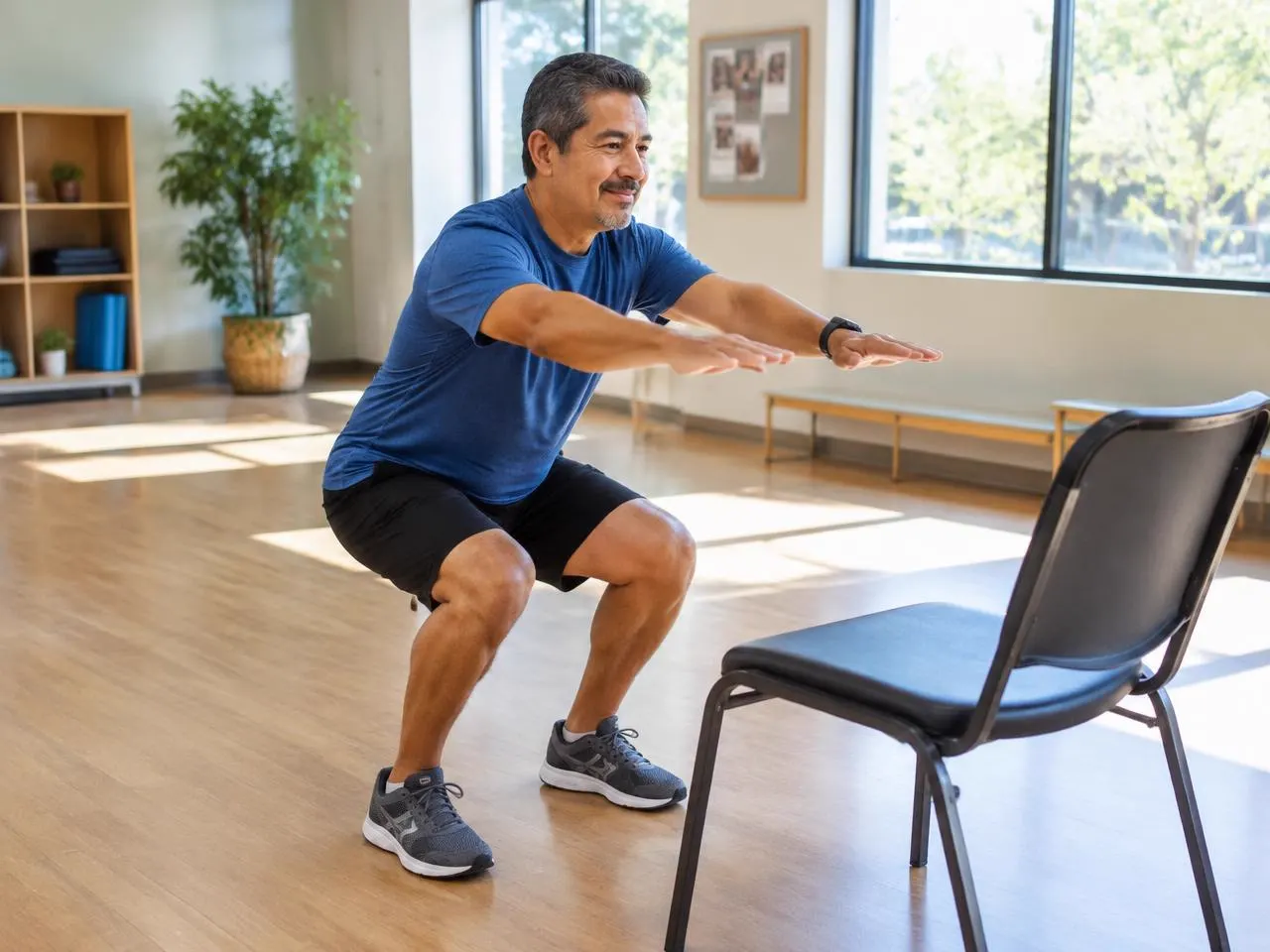
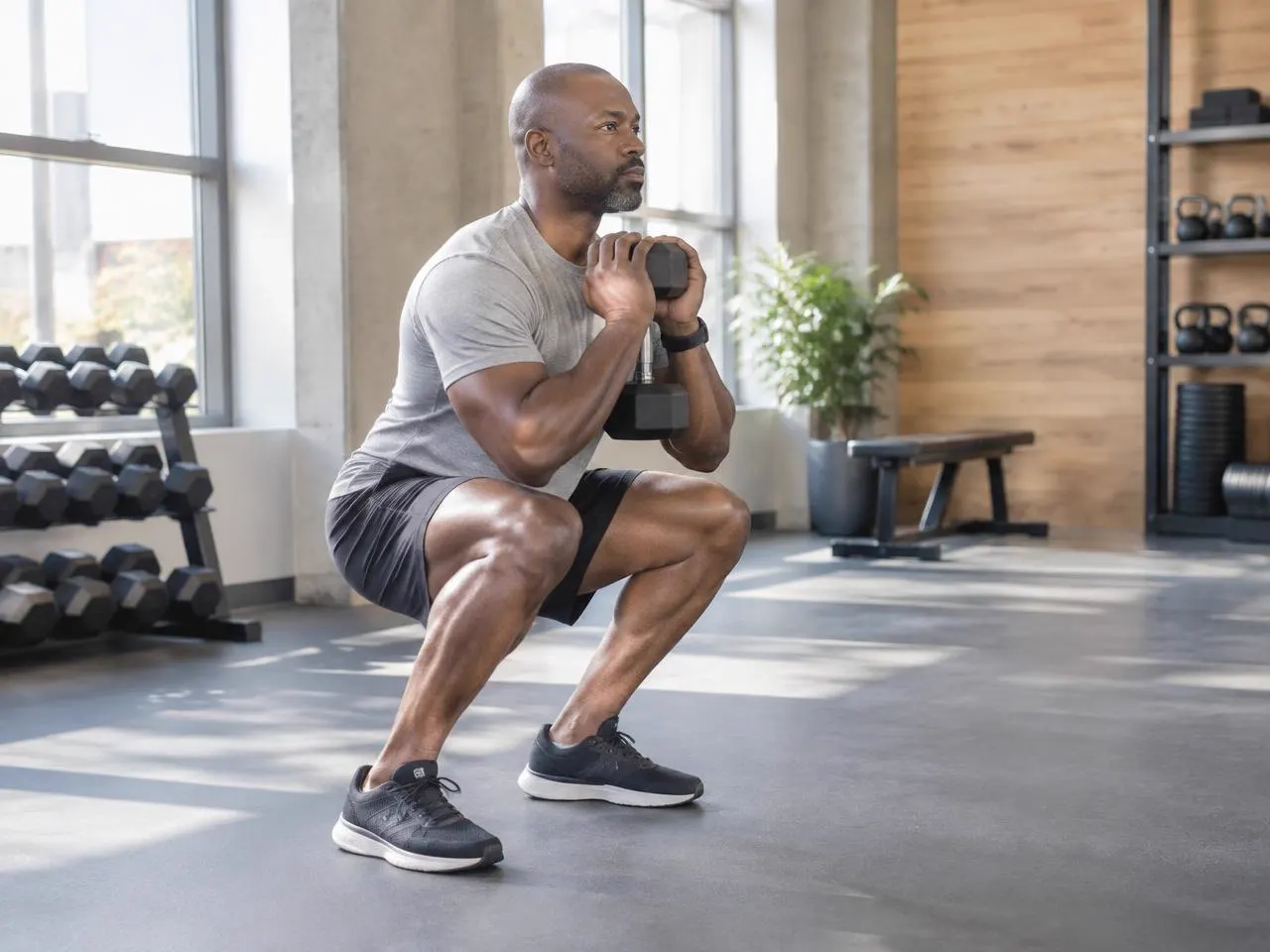
  1. Squat to Chair

    10–12 reps

    Sit back to lightly touch a chair, then stand. Hold a dumbbell at your chest to progress.

  2. Incline Push-Up

    8–12 reps

    Hands on a counter or sturdy table. Lower with control, keeping a straight line from head to heels.

  3. Dumbbell or Band Row

    10–12 reps per side

    Pull toward your hip, squeezing your shoulder blade back and down.

  4. Step-Up

    8–10 reps per leg

    Use a stair or low step with a handrail. Drive through the whole foot of the stepping leg.

  5. Standing March With Arm Drive

    45 seconds

    March briskly in place, swinging your arms. A low-impact way to raise heart rate.

  6. Bird Dog

    8 reps per side

    On hands and knees, extend opposite arm and leg, keeping your back level.

Rest and recovery considerations

Recovery is part of sustainability. Aim for regular sleep, take rest days without guilt, and choose lighter movement when you feel run down. Consistent, moderate activity over months tends to be more sustainable than short bursts of very intense exercise.

Progression guidance

  • Increase cardio sessions by 5 minutes every one to two weeks.
  • Add a round to strength circuits or use slightly heavier weights.
  • Gradually raise daily step counts relative to your own baseline.
  • Track non-scale markers: energy, sleep, stamina, and how activities feel.

Common training mistakes

Relying on exercise alone

Activity is helpful but works alongside sleep, nutrition, and stress management.

Overcompensating after workouts

Feeling you have “earned” large rewards after exercise can undermine your broader goals.

Only doing cardio

Strength training helps preserve muscle and supports everyday function.

Judging progress daily

Daily fluctuations are normal. Look at trends over weeks and include non-scale measures.

Safety considerations

Choose low-impact options if you experience joint discomfort. Stay hydrated, especially in warm weather. If you are taking medications, have a heart condition, diabetes, or other health concerns, seek medical guidance before increasing activity.

This program offers general educational guidance and is not individualized medical or exercise advice. If you have a health condition, injury, are pregnant, or are unsure whether exercise is appropriate for you, consult a qualified healthcare professional first. Stop exercising and seek help if you feel chest pain, dizziness, or unusual shortness of breath. See our Fitness Disclaimer.

Frequently asked questions

Will this program help me lose weight?

Individual results vary and depend on many factors beyond exercise. This program helps you build regular activity habits; for weight-specific goals, consult a physician or registered dietitian.

Is walking enough?

Walking is an excellent foundation. Adding strength training twice weekly provides additional benefits for muscle and function.

How do I stay consistent?

Schedule sessions, start small, choose activities you enjoy, and track behaviors you complete rather than outcomes alone.

What if I have joint pain?

Swimming, cycling, and supported strength exercises are often more comfortable. Seek professional advice for persistent pain.


Related educational articles

Keep exploring

Related Workout Programs

09Lifestyle

Active Lifestyle Programs

Practical fitness routines designed to help people integrate movement into everyday life.

Level
All levels
Equipment
Comfortable shoes; optional bike or band
Explore Program
03Foundations

Beginner Fitness

Accessible workout guidance for people beginning or returning to regular exercise.

Level
Beginner
Equipment
Sturdy chair, wall; light dumbbells optional
Explore Program
01Strength

Strength Training

Structured resistance-training guidance focused on developing strength, improving movement technique, and supporting progressive training.

Level
Beginner to Intermediate
Equipment
Dumbbells or barbell, bench (gym or home)
Explore Program

Questions about the Weight Management Fitness program?

Send us a note and we will point you toward resources that fit your experience and goals.