Functional

Functional Fitness Program for Real-World Strength

Training focused on practical movement patterns, coordination, and general physical conditioning.
  • LevelIntermediate
  • EquipmentKettlebell or dumbbells, resistance band
  • FormatFree program guide
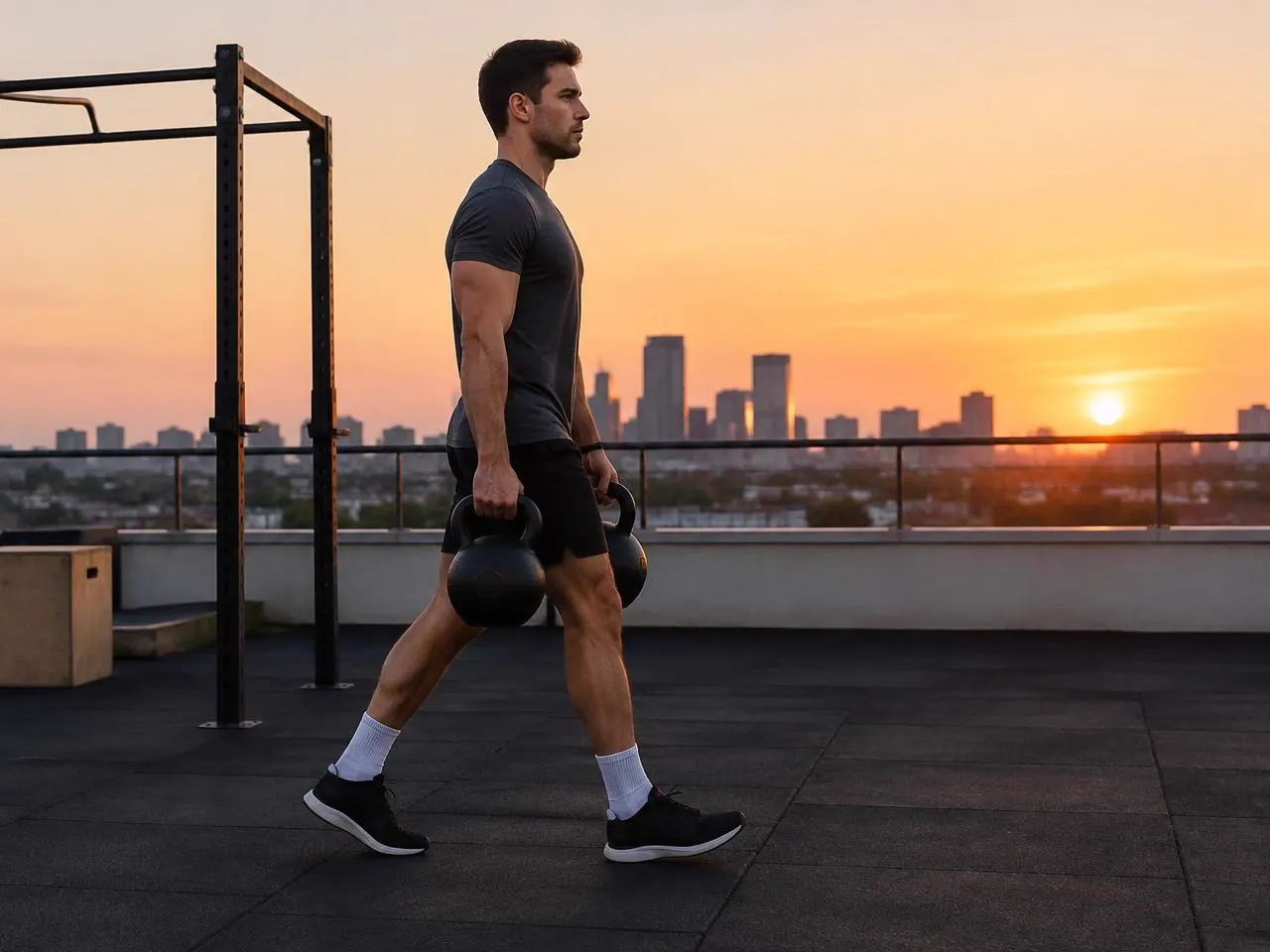
Man performing a kettlebell farmer’s carry on a rooftop training area at sunset

Program overview

Functional training emphasizes movements you use in daily life: picking things up from the floor, carrying groceries, stepping onto a ledge, twisting to reach, and pushing or pulling objects. Training these patterns with load and control builds strength that transfers outside the gym.

The program uses three sessions per week. Each session combines a strength block, a carry or loaded movement, and a short conditioning finisher. Movements are performed in multiple directions — forward, sideways, and rotational — to build well-rounded capability.

Intended experience level

Best for people who already exercise regularly and are comfortable with basic squats, hinges, and push-ups. Beginners can start with Beginner Fitness or Strength Training first.

Training objectives

  • Strengthen fundamental movement patterns under load
  • Improve coordination and multi-directional control
  • Build grip strength and trunk stability
  • Develop general conditioning
  • Translate gym strength to everyday tasks

Equipment & exercise categories

Equipment: Kettlebell or dumbbells, resistance band

Hinge & lift

Kettlebell deadlifts and swings.

Single-leg

Lateral lunges, step-ups, and split squats.

Carry

Farmer’s, suitcase, and goblet carries.

Rotation & anti-rotation

Band presses, chops, and lifts.

Conditioning

Short intervals of swings, step-ups, or bear crawls.

Example weekly schedule

This sample week is a template, not a prescription. Move days around to suit your schedule while keeping rest between harder sessions.

DayFocusDetails
MondaySession 1Hinge, push, carry, finisher.
TuesdayEasy cardio20–30 minutes easy walk, bike, or swim.
WednesdaySession 2Single-leg, pull, rotation, finisher.
ThursdayMobility15 minutes mobility flow.
FridaySession 3Full-body mix of sessions 1 and 2.
SaturdayActive recreationHike, play a sport, or bike.
SundayRestRest.

Warm-up guidance

  • 3 minutes jump rope, brisk march, or rowing
  • 5 inchworms with a push-up
  • 8 lateral lunges per side (bodyweight)
  • 10 kettlebell deadlifts with a light weight
  • 10 band pull-aparts

Main workout structure

Perform strength exercises as paired supersets (A1/A2, B1/B2), resting 60–90 seconds after each pair, for 3 rounds. Finish with an 8-minute conditioning block: 30 seconds of work, 30 seconds of rest, alternating kettlebell swings and step-ups.

  1. Kettlebell Deadlift

    3 × 8–10 reps

    Stand over the kettlebell, hinge at the hips with a flat back, grip the handle, and stand tall by driving the hips forward.

  2. Push-Up

    3 × 8–12 reps

    Hands under shoulders, body in a straight line. Lower your chest to just above the floor and press back up. Elevate hands to make easier.

  3. Lateral Lunge

    3 × 6–8 reps per side

    Step wide to one side, sit the hips back over that leg while keeping the other leg straight, then push back to center.

  4. Half-Kneeling Band Row

    3 × 10 reps per side

    Kneel on one knee and row a band toward your ribs on the same side as the down knee, keeping the torso still.

  5. Pallof Press

    3 × 10 reps per side

    Stand side-on to a band anchor. Press the band straight out from your chest and resist the pull to rotate.

  6. Suitcase Carry

    3 × 30 meters per side

    Carry a heavy weight in one hand while walking tall without leaning. Switch sides.

  7. Kettlebell Swing

    Finisher: 30 s on / 30 s off

    A powerful hip hinge — hike the bell back, then snap the hips forward to float it to chest height. Learn the deadlift first; seek coaching if unsure.

Rest and recovery considerations

Functional sessions involve full-body effort. Keep at least one day between sessions and use easy cardio or mobility on off days. Grip and trunk muscles fatigue too — reduce carry loads if your posture breaks down.

Progression guidance

  • Increase kettlebell or dumbbell weight when all sets feel controlled.
  • Extend carry distance by 10 meters before increasing weight.
  • Progress conditioning by adding one minute or shortening rest to 20 seconds.
  • Advance exercises: lateral lunge to cossack squat, push-up to deficit push-up.

Common training mistakes

Squatting the kettlebell swing

The swing is a hinge. Hips move back and forward; knees bend only slightly.

Chasing fatigue over quality

Functional training is about control. Stop sets when form deteriorates.

Leaning during carries

Stay upright; the challenge is resisting the side bend.

Random workouts

Variety is useful, but repeat sessions long enough to measure progress.

Safety considerations

Learn ballistic movements like swings with lighter loads first, and give yourself plenty of space. Keep a neutral spine during lifts and carries. If you have back, shoulder, or knee concerns, consult a qualified professional before using loaded or explosive exercises.

This program offers general educational guidance and is not individualized medical or exercise advice. If you have a health condition, injury, are pregnant, or are unsure whether exercise is appropriate for you, consult a qualified healthcare professional first. Stop exercising and seek help if you feel chest pain, dizziness, or unusual shortness of breath. See our Fitness Disclaimer.

Frequently asked questions

What makes an exercise “functional”?

Generally, an exercise that trains movement patterns and coordination relevant to daily tasks or sport, often involving multiple joints and planes of motion.

Do I need a kettlebell?

A kettlebell is convenient, but dumbbells work for nearly every exercise here.

Is this similar to CrossFit?

It shares some movements but uses a moderate, progressive structure without competition-style intensity.

How do I choose a kettlebell weight?

Pick a weight you can deadlift for 10 controlled reps with a few in reserve.


Related educational articles

Keep exploring

Related Workout Programs

01Strength

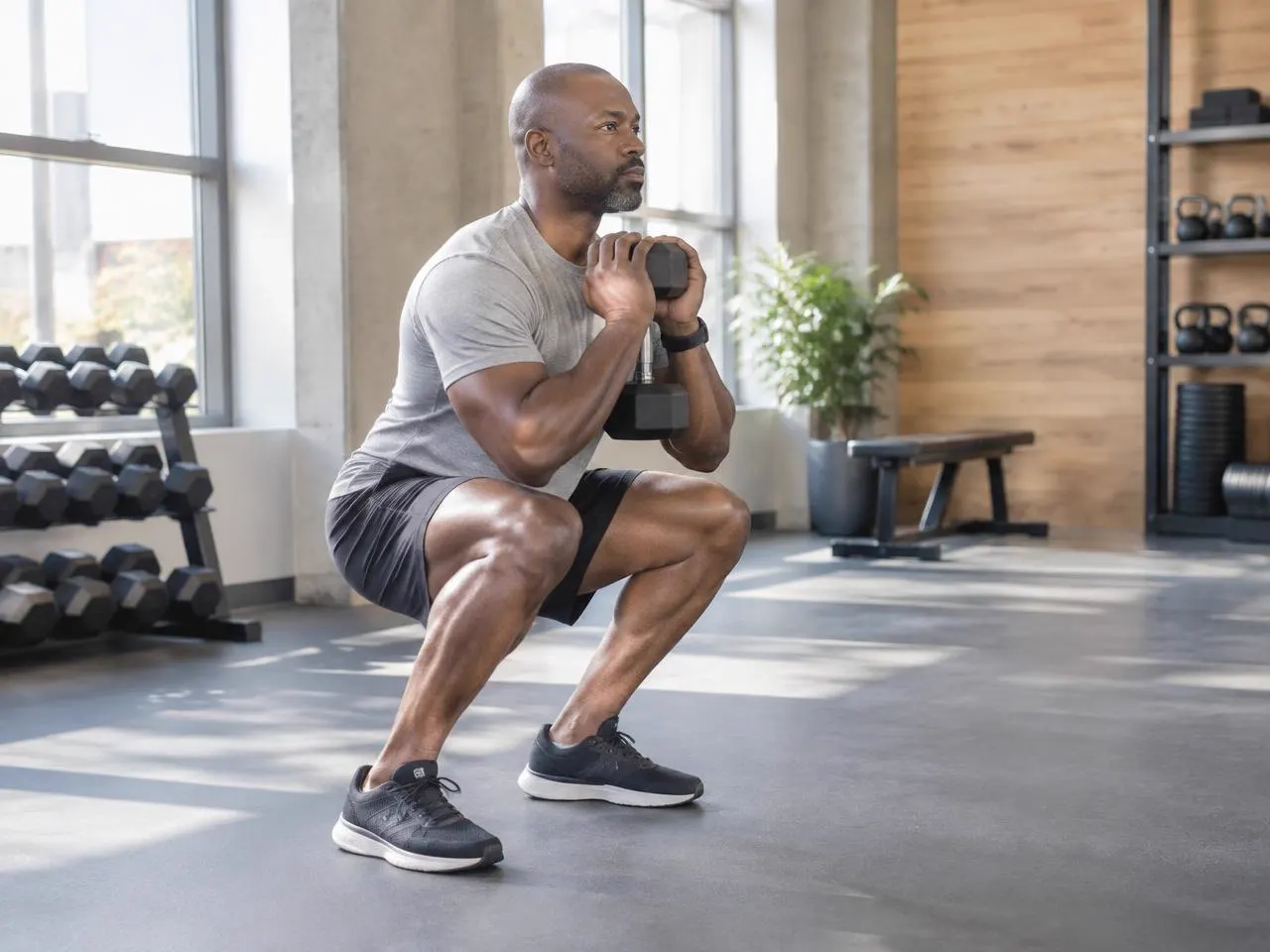
Strength Training

Structured resistance-training guidance focused on developing strength, improving movement technique, and supporting progressive training.

Level
Beginner to Intermediate
Equipment
Dumbbells or barbell, bench (gym or home)
Explore Program
08Core

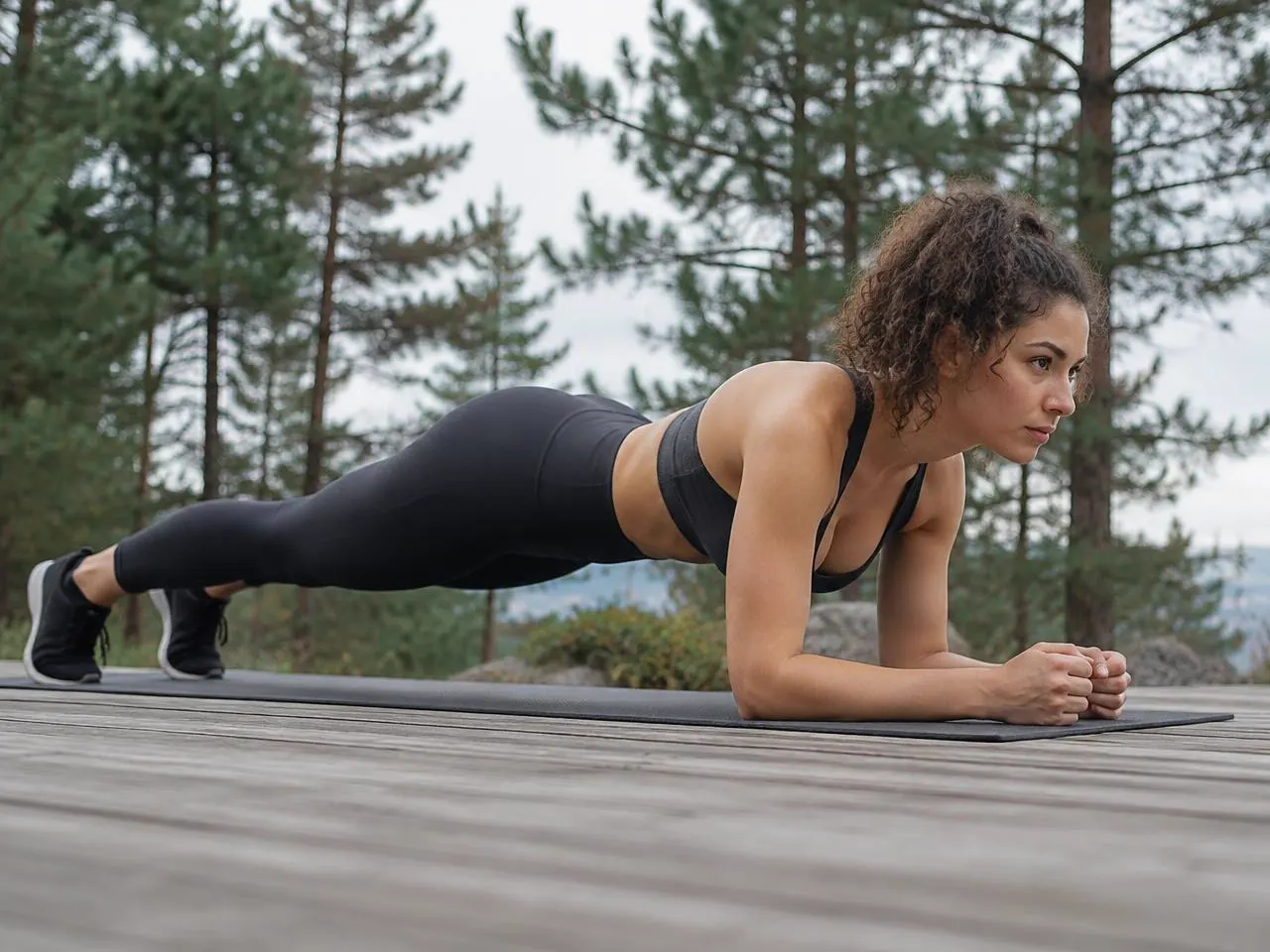
Core & Stability

Exercises focused on trunk strength, stability, and controlled movement.

Level
All levels
Equipment
Mat; resistance band optional
Explore Program
09Lifestyle

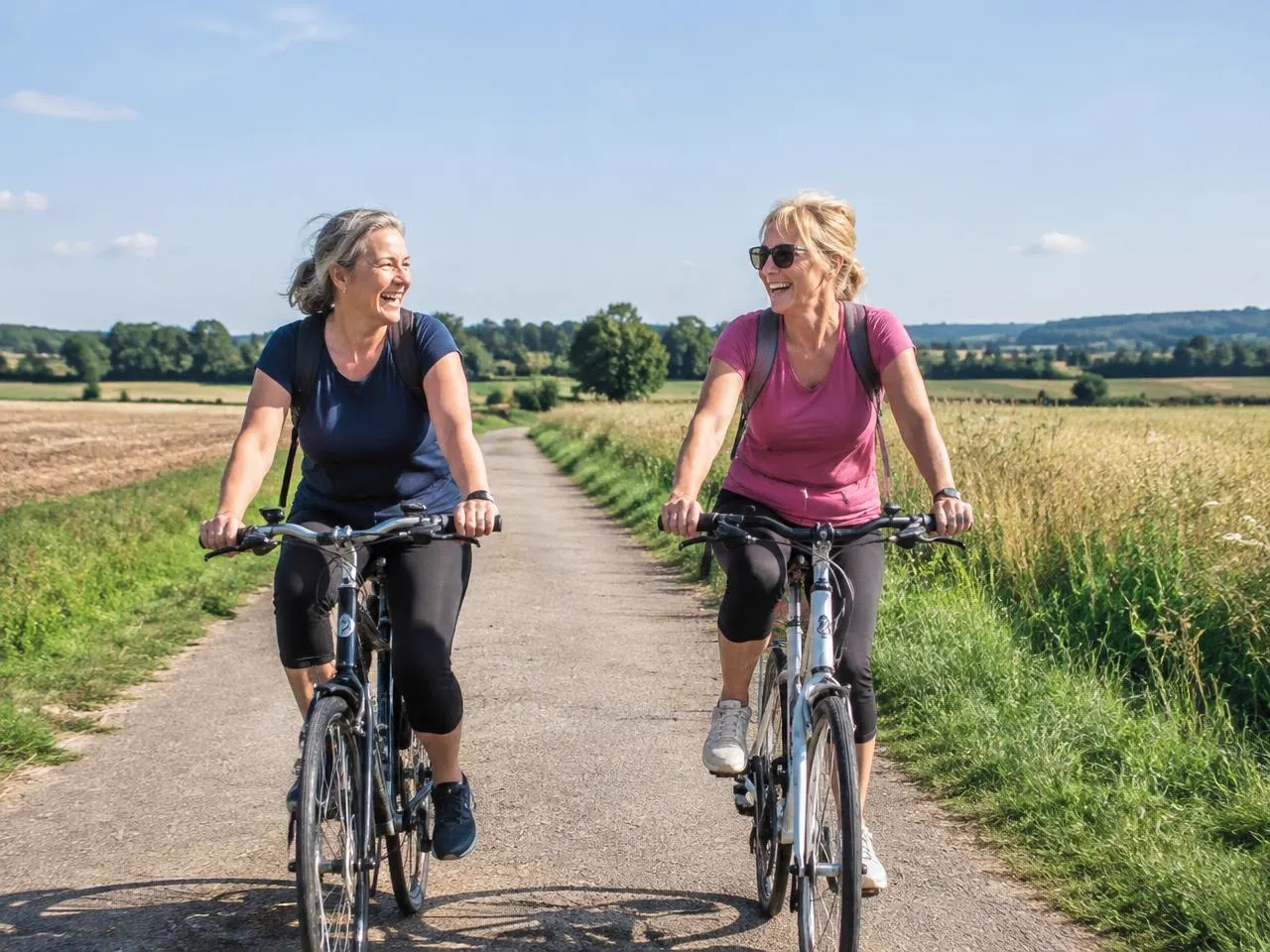
Active Lifestyle Programs

Practical fitness routines designed to help people integrate movement into everyday life.

Level
All levels
Equipment
Comfortable shoes; optional bike or band
Explore Program

Questions about the Functional Fitness program?

Send us a note and we will point you toward resources that fit your experience and goals.