Building Confidence Through Regular Physical Activity

Many people start exercising for physical reasons and discover an unexpected benefit along the way: a growing sense of confidence. Learning a new skill, completing a challenge, or simply keeping a promise to yourself can change how you see your own abilities. Here is how that process works and how to nurture it.
Confidence is built on evidence
Psychologists often describe a concept called self-efficacy — your belief in your ability to succeed at a task. One of the strongest sources of self-efficacy is direct experience: doing something and seeing that you can.
Exercise offers a steady stream of these experiences. Each completed workout, each slightly heavier weight, each walk that feels easier than last month is evidence of your capability. Over time, that evidence accumulates.
The power of small wins
Big goals can feel distant. Small wins, on the other hand, are achievable this week. Examples include:
- Completing every planned session for a week.
- Doing your first push-up from the floor — or from a lower surface than before.
- Running for one minute longer than last time.
- Holding a balance position without support.
- Trying a new class or activity for the first time.
Notice and acknowledge these moments. Writing them down in a training log makes your progress visible, which is especially helpful on days when you feel you are not improving.
Every session you complete is a promise kept to yourself. Those promises add up to trust.
Focusing on capability
Appearance-focused goals can be fragile foundations for confidence because visible changes are slow, variable, and influenced by many factors. Capability-focused goals are more empowering:
- Carrying groceries up the stairs without stopping.
- Playing actively with children or grandchildren.
- Hiking a trail you once thought was too hard.
- Getting up from the floor easily.
- Lifting a weight that once felt impossible.
When you appreciate what your body can do, confidence tends to grow regardless of how you look on a particular day.
Letting go of comparison
Social media and crowded gyms make comparison easy. But other people’s starting points, genetics, schedules, and histories are different from yours. Comparing your beginning to someone else’s middle rarely helps.
Instead, compare yourself to your past self. Are you more consistent than three months ago? Stronger? More comfortable moving? That is the comparison that matters.
Feeling confident in new environments
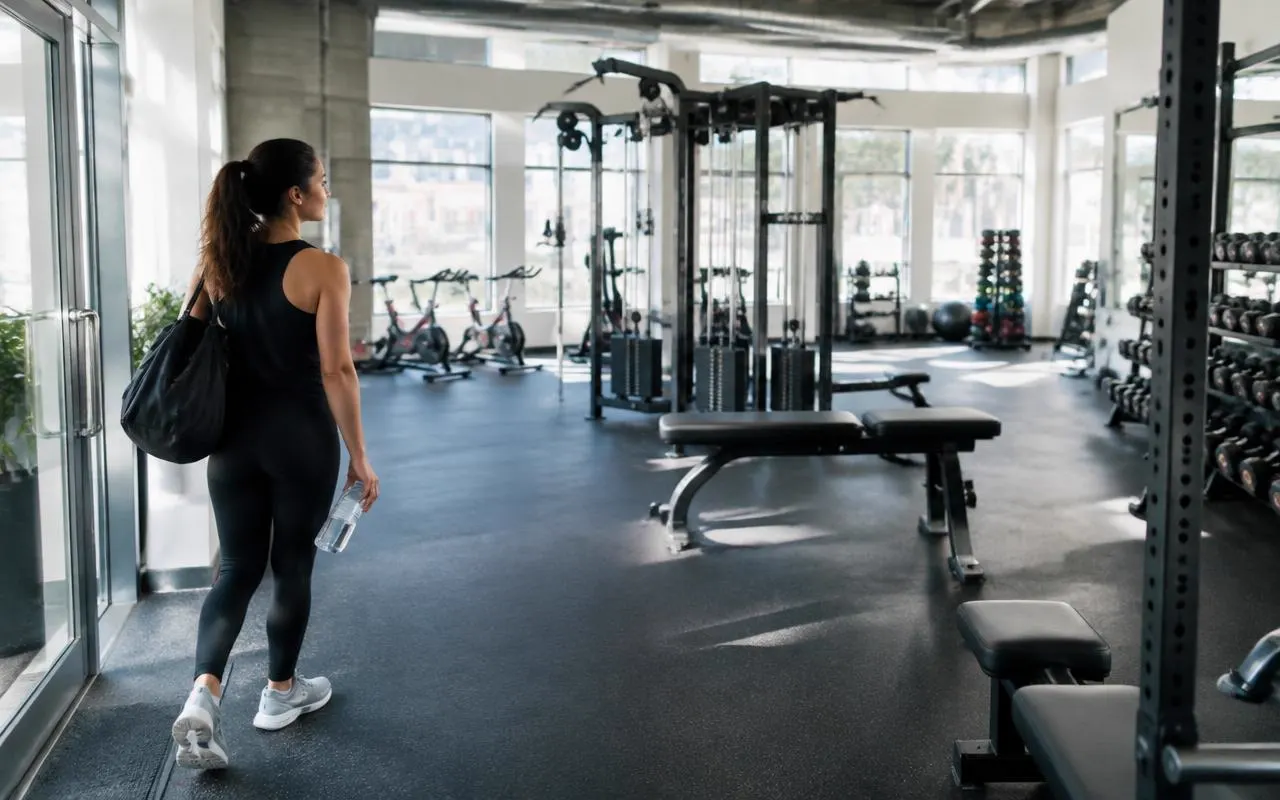
Walking into a gym or class for the first time can feel intimidating. A few strategies help:
- Go with a plan. Knowing exactly what you will do reduces uncertainty.
- Visit at quieter times while you learn the space.
- Bring a friend for support.
- Start at home or outdoors and build skills before moving to a gym. See Home Workouts Without Expensive Equipment.
- Remember that most people are focused on their own workouts.
Practical steps to start
- Choose one achievable process goal for the next four weeks.
- Follow a beginner-friendly plan such as our Beginner Fitness program.
- Keep a simple log of sessions and small wins.
- Review your progress monthly and celebrate improvements.
- Gradually take on new challenges as your confidence grows.
Confidence is not something you need before you start — it is something you build by starting. For more on setting meaningful targets, read How to Set Realistic Fitness Goals.
Fitness disclaimer: This article provides general educational information and is not a substitute for advice from a physician or qualified professional. Consult a healthcare provider before starting a new exercise program, especially if you have a medical condition or injury. Read the full disclaimer.