Outdoor Exercise and Everyday Well-Being
There is something distinctive about moving outdoors — the changing scenery, fresh air, and the feel of natural terrain underfoot. For many people, outdoor exercise feels less like a workout and more like a break. Here is how to make it a regular part of your active lifestyle.
Why exercise outdoors?
Exercising outside offers variety that indoor environments often lack. Routes change with the seasons, terrain challenges your balance and coordination, and destinations give each session a sense of purpose. Many people report that time in green spaces feels restorative and helps them unwind, and there is growing research interest in the relationship between nature and well-being.
Outdoor exercise can also be highly social and accessible. Parks, trails, and neighborhoods are often free, and activities like walking require no special equipment.
Sometimes the best workout is simply a walk somewhere you enjoy being.
Outdoor activities to try
- Walking: one of the most accessible activities. Explore new neighborhoods, parks, or waterfronts.
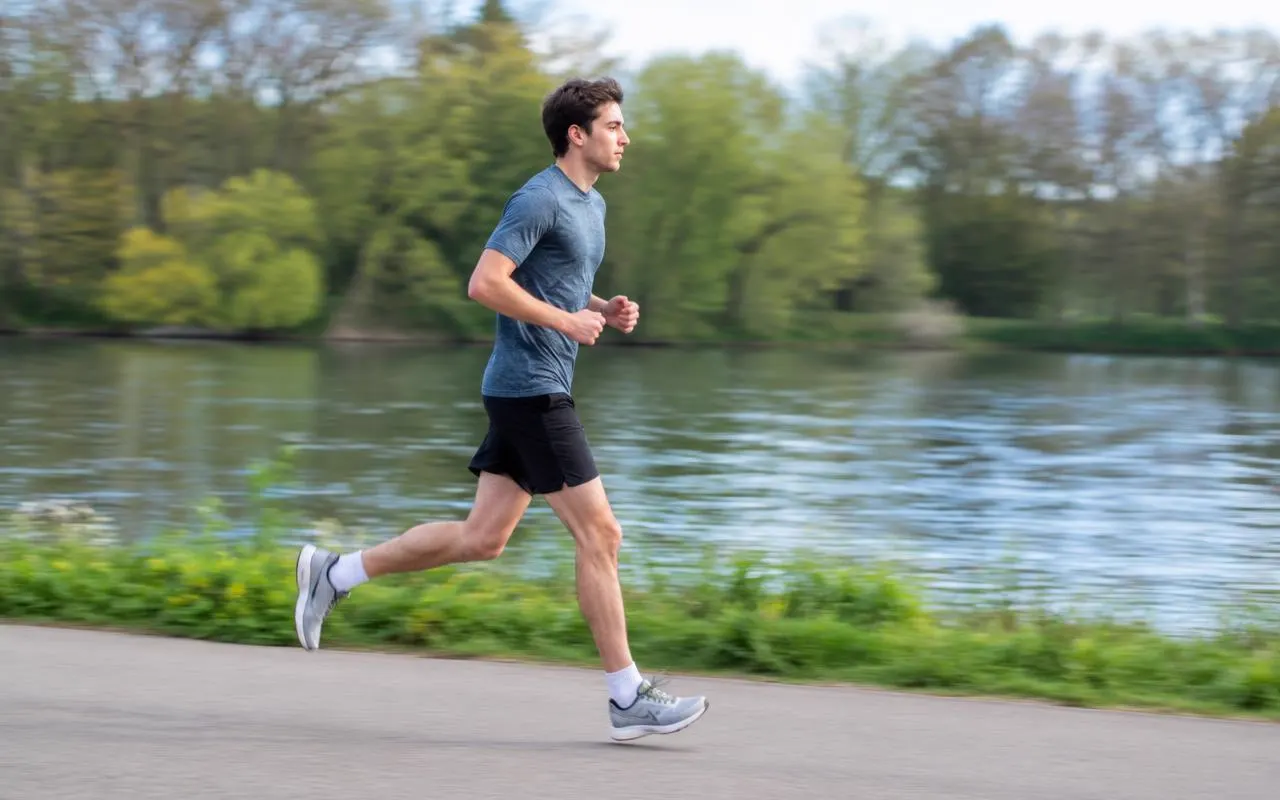
- Running: start with run-walk intervals on flat paths, then explore trails. See Running for Beginners.
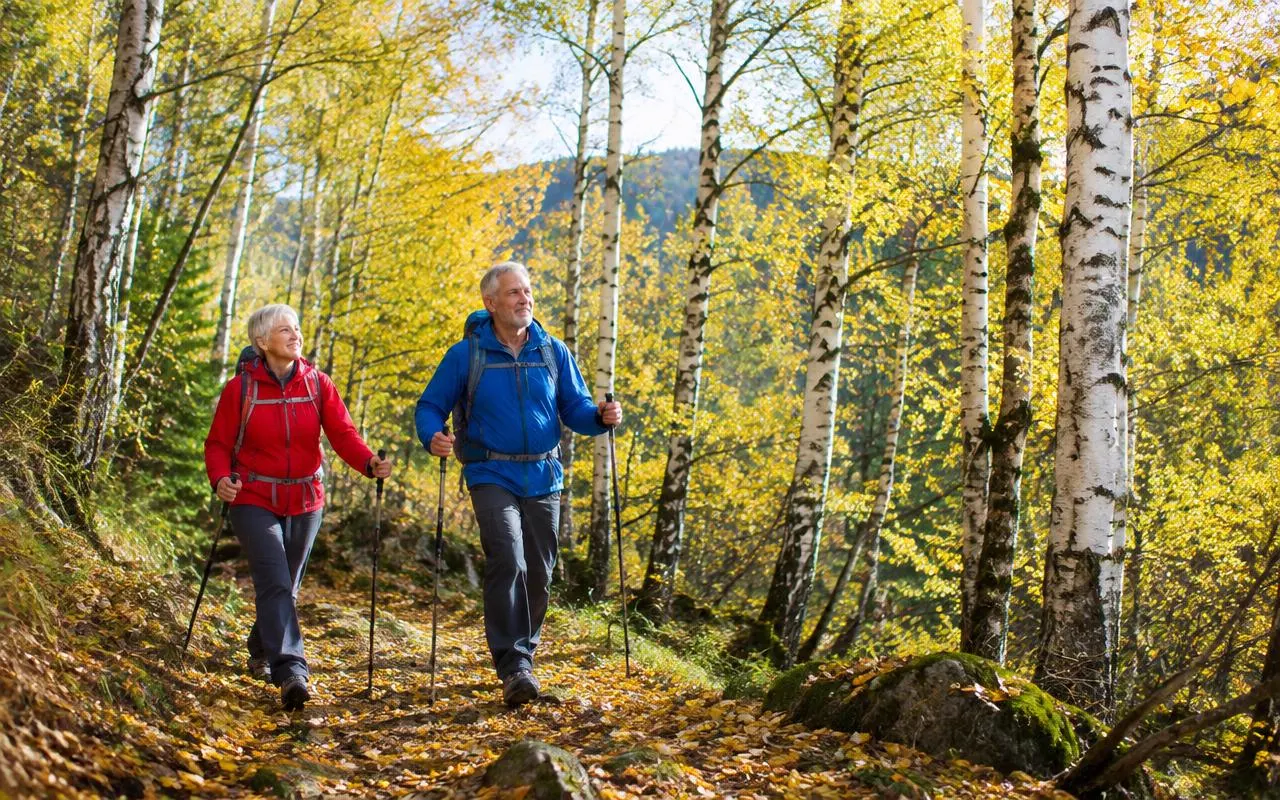
- Hiking: varied terrain builds leg strength and endurance. Start with shorter, well-marked trails.
- Cycling: low-impact and great for covering distance. Choose bike paths or quiet roads.
- Swimming: outdoor pools and supervised beaches offer full-body exercise.
- Park workouts: use benches for step-ups, incline push-ups, and dips; grass for lunges and planks.
- Recreational sports: pickleball, tennis, frisbee, or kicking a ball around with family.
Building outdoor time into your week
Small changes can add significant outdoor activity:
- Take walking breaks or phone calls outside.
- Walk or cycle for short errands where safe.
- Move one weekly workout to a park.
- Plan a weekend hike or bike ride as a social activity.
- Explore one new route each month to keep things interesting.
Our Active Lifestyle program provides a flexible framework for building daily movement, much of which can happen outdoors.
Dressing for the weather
Hot weather
Exercise during cooler parts of the day, wear light breathable clothing, use sun protection, carry water, and reduce intensity on very hot or humid days. Learn the signs of heat illness, such as dizziness, nausea, or confusion, and stop if they occur.
Cold weather
Dress in layers you can remove as you warm up, cover hands and ears, and choose footwear with good grip on wet or icy surfaces. Warm up thoroughly before more intense efforts.
Rain
A light waterproof jacket and a hat with a brim can make rainy walks or runs pleasant. Avoid slippery surfaces and stay visible.
Outdoor safety basics
- Tell someone your route and expected return time, especially on trails.
- Carry a phone, identification, and water.
- Wear bright or reflective clothing in low light.
- Stay aware of traffic and keep music at a volume that lets you hear your surroundings.
- Check trail conditions and weather forecasts before longer outings.
- Know your limits and turn back early if conditions change.
The outdoors offers a welcoming, endlessly varied place to move. Whether you prefer a gentle walk or a challenging hike, getting outside can make your routine more enjoyable — and more sustainable. For ways to keep enjoyment high, read How to Stay Motivated to Exercise Consistently.
Fitness disclaimer: This article provides general educational information and is not a substitute for advice from a physician or qualified professional. Consult a healthcare provider before starting a new exercise program, especially if you have a medical condition or injury. Read the full disclaimer.